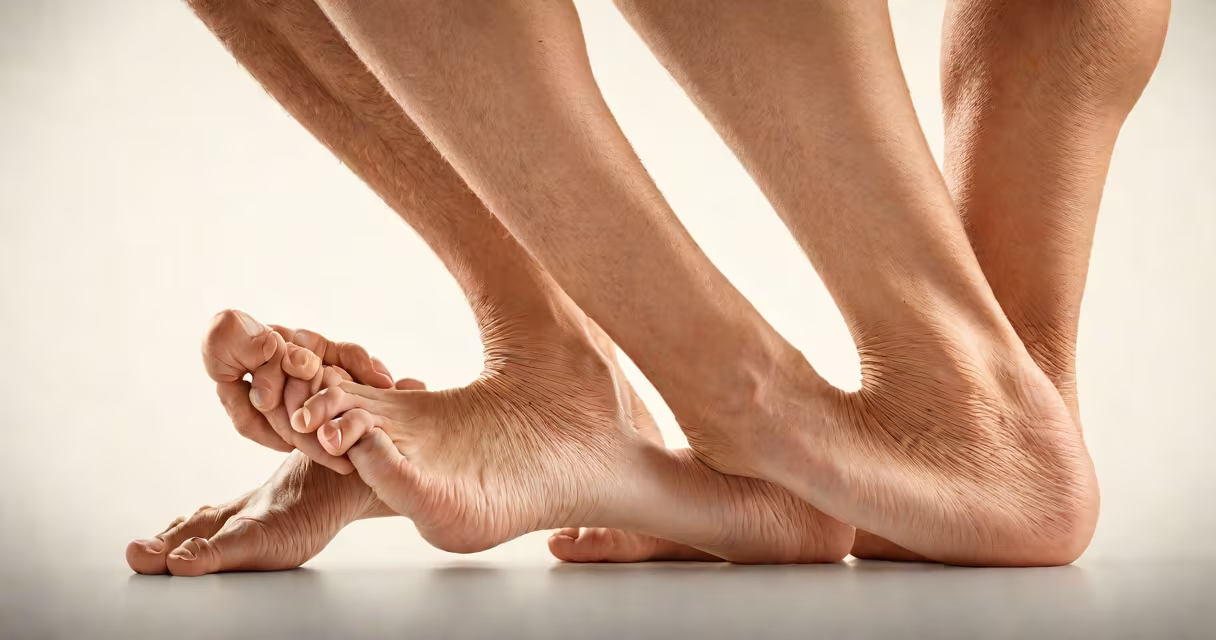
Pain along the inner side of your calf-specifically the medial aspect-is usually caused by overuse, muscle strain, or stress on the posterior tibialis muscle. This area runs from the shin bone to the arch of the foot and supports the foot's structure during walking and running.
The posterior tibialis muscle stabilizes the foot's arch and helps turn the foot inward during movement. When overworked, especially during prolonged standing, running on uneven terrain, or sudden changes in activity level, it can develop microtears, inflammation, or tendinopathy. This leads to localized soreness, tightness, or sharp pain on the inner side of the lower leg.
Common triggers include increasing training volume too quickly, wearing worn-out shoes, or having flat feet or overpronation. A 2021 study in the Journal of Orthopaedic & Sports Physical Therapy found that 68% of runners reporting medial calf pain had altered gait patterns linked to poor foot control. The condition is often mistaken for shin splints, which affect the front of the lower leg, but the location and sensation differ.
Pain on the inner calf typically begins as a dull ache during or after physical activity. As strain accumulates, the discomfort may progress to sharp, stabbing sensations with each step. Over time, swelling and tenderness can appear along the course of the posterior tibialis tendon, especially near the inner ankle bone (medial malleolus).
Repetitive loading-such as long-distance running, jumping, or dancing-puts consistent stress on the tendon. Without adequate rest or proper warm-up, the tissue cannot repair itself between sessions. This creates a cycle of damage and incomplete recovery, leading to chronic pain. The body's inflammatory response increases blood flow and nerve sensitivity in the area, amplifying the perception of pain.
A real-world example: a 34-year-old recreational runner began experiencing inner calf pain after increasing weekly mileage from 15 to 30 miles without adjusting footwear or adding strength work. After four weeks, the pain worsened during hill sprints. MRI confirmed tendinosis-degeneration of the tendon fibers-without full rupture. Rest, orthotics, and targeted strengthening reduced symptoms within six weeks.
Several conditions can mimic inner calf pain. The most frequent confusion is with shin splints, which occur along the front of the lower leg, not the inner side. Shin splints involve the tibialis anterior muscle and are often felt just below the knee or along the shin bone. They're triggered by high-impact activities and typically cause a diffuse, throbbing ache.
Another misdiagnosis is compartment syndrome-a rare but serious condition where pressure builds in the muscle compartments. Symptoms include severe pain, numbness, and weakness, often worsening with exercise and improving with rest. Unlike typical strain, compartment syndrome can lead to permanent muscle damage if untreated. Diagnosis requires measuring compartment pressures via needle testing.
| Condition | Location | Onset | Key Symptom |
|---|---|---|---|
| Posterior tibialis strain | Inner calf, near ankle | Gradual, activity-related | Dull ache that sharpens with weight-bearing |
| Shin splints | Front of lower leg | After running or jumping | Burning or throbbing pain along the shin bone |
| Stress fracture | Lower leg, lateral or medial | Sudden onset, persistent | Pain that doesn't improve with rest; worsens with activity |
One non-obvious distinction: posterior tibialis strain rarely causes pain at rest. If you feel pain while sitting or lying down, it may indicate a different issue-like a vascular problem or referred pain from the spine. According to the American Academy of Orthopaedic Surgeons (AAOS), persistent inner calf pain at rest should prompt imaging to rule out deep vein thrombosis (DVT), though this is rare in otherwise healthy individuals.
Seek evaluation if pain lasts longer than two weeks despite rest, ice, compression, and elevation (RICE). Red flags include swelling, warmth, redness, or a feeling of heaviness in the leg-signs of inflammation or possible DVT. A doctor may order an ultrasound or MRI to assess tendon integrity or rule out fractures.
I've treated several patients with persistent medial calf pain who initially dismissed it as "just soreness." One case involved a 42-year-old office worker who developed pain after switching to high heels for work. The strain wasn't from exercise but from altered biomechanics. After fitting custom orthotics and modifying footwear, symptoms resolved in three weeks.
For mild cases, conservative management includes reducing activity, applying ice for 15 minutes twice daily, and performing gentle stretches. Focus on the posterior tibialis: sit with legs extended, loop a towel around the ball of the foot, and gently pull toward you to stretch the inner calf. Hold for 30 seconds, repeat three times daily.
Strengthening exercises like heel raises with toes pointed inward help rebuild tendon resilience. Start with 2 sets of 10 reps, gradually increasing. Avoid progressing too quickly-overloading the tendon reverses gains.
If home care fails, physical therapy offers targeted interventions. A therapist can identify gait imbalances, prescribe corrective exercises, and use manual therapy to release tight tissues. Studies show that 85% of patients with posterior tibialis tendinopathy improve with 6-8 weeks of physiotherapy, according to research published in Physical Therapy in Sport.
Understanding why the inside of your calves hurt starts with identifying the root cause. Most cases stem from overuse or mechanical stress. Addressing form, footwear, and training load prevents recurrence. If pain persists, consult a healthcare provider to avoid long-term complications.