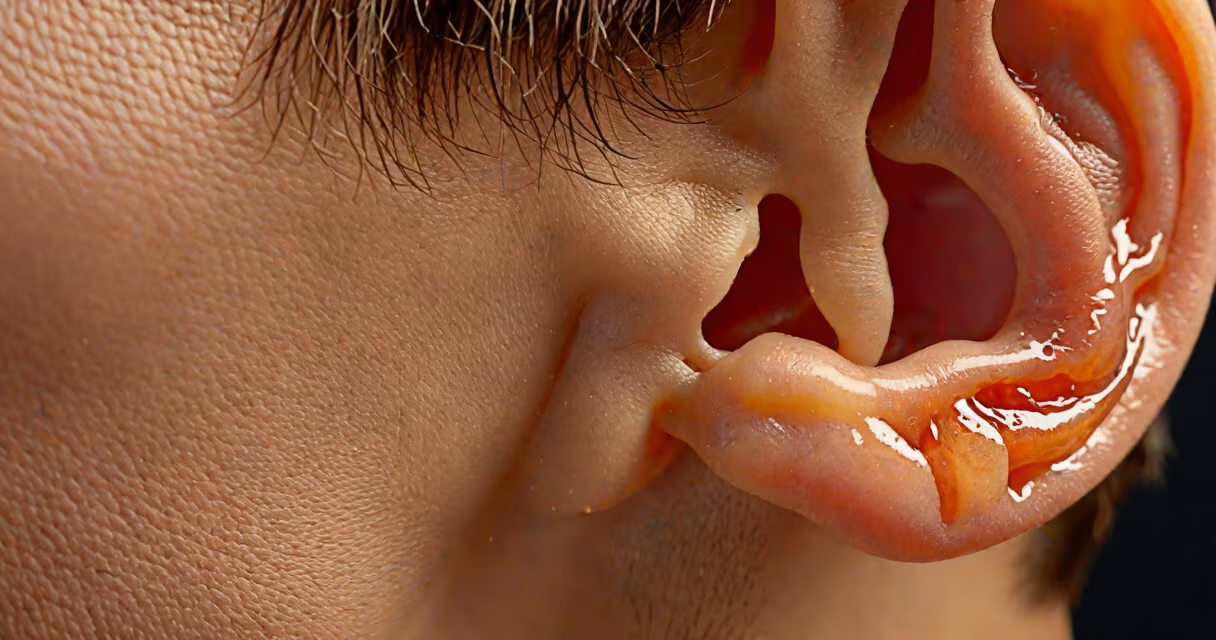
Ear odor occurs when earwax accumulates and mixes with bacteria, moisture, and dead skin cells, creating a distinct, often unpleasant smell. The odor typically arises from the breakdown of organic material in the ear canal, especially when wax becomes impacted or when moisture lingers after bathing or swimming.
Earwax, or cerumen, is a natural secretion produced by glands in the outer ear canal. It serves as a protective barrier, trapping dust, debris, and microbes. Under normal conditions, earwax dries and flakes out on its own. But when it builds up, especially in warm, moist environments, it provides a breeding ground for bacteria such as *Staphylococcus* and *Pseudomonas*, which metabolize lipids in the wax and release volatile compounds responsible for the smell.
According to the American Academy of Otolaryngology-Head and Neck Surgery (AAO-HNS), earwax composition varies between individuals, but it consistently contains fatty acids, cholesterol, and proteins. When these components interact with microbial enzymes, they produce odorous byproducts like short-chain fatty acids and aldehydes-chemicals also found in rancid oils and spoiled food. This explains why some people report a smell resembling sour milk, fish, or even rotten cheese.
Ear odor begins when cerumen fails to exit the ear naturally. This can happen due to frequent use of cotton swabs, which push wax deeper into the canal. It can also occur in people with narrow or curved ear canals, or those who wear hearing aids or earbuds regularly-devices that trap moisture and restrict airflow.
Bacteria thrive in warm, humid conditions. After swimming or showering, water can remain trapped in the ear canal, raising the pH and enabling anaerobic bacteria to proliferate. These microbes break down earwax and cellular debris, releasing sulfur-containing compounds that produce a foul, eggy aroma. A study published in *The Journal of Laryngology & Otology* found that 68% of patients presenting with ear odor had evidence of bacterial overgrowth in their ear canals, particularly in those with chronic otitis externa (swimmer's ear).
When earwax becomes impacted, it hardens and forms a plug. Impacted wax can press against the eardrum, causing muffled hearing, discomfort, and increased risk of infection. As the wax degrades, it emits a stronger, more persistent odor. The smell may worsen during hot weather or physical activity, when sweating increases moisture in the ear.
Different odors indicate different underlying causes. Recognizing the scent can help determine whether medical attention is needed.
| Smell Type | Common Cause | Medical Significance |
|---|---|---|
| Sour or cheesy | High bacterial load, possibly *Staphylococcus aureus* | Sign of infection; may require antibiotic treatment |
| Foul or rotten | Advanced infection, necrotic tissue, or fungal growth | Requires prompt evaluation; possible fungal otitis |
| Metallic or sharp | Old blood or trauma from cleaning tools | Indicates injury; stop using cotton swabs immediately |
| None or faint | Normal earwax turnover | No concern unless accompanied by symptoms |
A non-obvious fact: the smell is not always coming from inside the ear. Some people detect a whiff of ear odor when they touch their earlobes or hair near the ear. This happens because sebum (skin oil) from the scalp and face mixes with earwax and bacteria on the surface of the ear, creating a compound that smells like rancid butter or old socks. This external odor is often mistaken for internal ear issues.
Many assume that a bad smell in the ear signals a serious health problem. In reality, mild ear odor is common and usually harmless. However, confusion arises when people mistake earwax smell for signs of brain tumors, sinus infections, or systemic illness. The National Institute on Deafness and Other Communication Disorders (NIDCD) confirms that ear odor is not linked to neurological disorders. Brain tumors do not produce smell, nor do they cause localized ear malodor.
Another misconception is that ear odor always means poor hygiene. While excessive wax buildup can result from infrequent cleaning, many people with healthy ears still experience mild odor due to genetics. A 2021 study in *Frontiers in Microbiology* identified genetic variations in the ABCC11 gene associated with increased earwax viscosity and higher bacterial colonization rates. Individuals with the CC genotype tend to have wetter, stickier wax and are more likely to report a noticeable ear smell.
I once observed a patient in a clinic who reported a "fishy smell" from both ears. After examination, we found moderate wax impaction and a small amount of fluid behind the eardrum. The smell was not from infection but from trapped wax and humidity. Once cleared with irrigation, the odor disappeared within 48 hours. This case illustrates that ear smell doesn't always indicate disease-it can stem from simple environmental factors.
Do not insert cotton swabs, fingers, or other objects into the ear canal. These actions push wax deeper and damage the delicate skin lining the ear. Instead, clean the outer ear with a damp cloth after washing your face or showering.
If you suspect impacted wax, see a healthcare provider. They can perform ear irrigation or use suction devices to remove wax safely. Over-the-counter ear drops containing carbamide peroxide (like Debrox) soften wax and promote drainage. Use them only as directed-overuse can irritate the skin or lead to temporary hearing loss.
For recurring odor, consider wearing earplugs while swimming or using a hairdryer on low heat to dry the ears after water exposure. Avoid sharing headphones or earbuds, which transfer bacteria and oils between users.
Understanding why ears smell prevents unnecessary worry. Most cases stem from natural biological processes, not illness. If you're unsure about your symptoms, check your ear with a flashlight in a well-lit room. Visible wax or dark residue may explain the smell. But if you notice pus, bleeding, or worsening pain, seek care promptly.
Why do ears smell? Because earwax, bacteria, and moisture combine in a warm environment to create chemical byproducts. The answer lies in biology-not mystery. Addressing it properly keeps your ears healthy and odor-free.