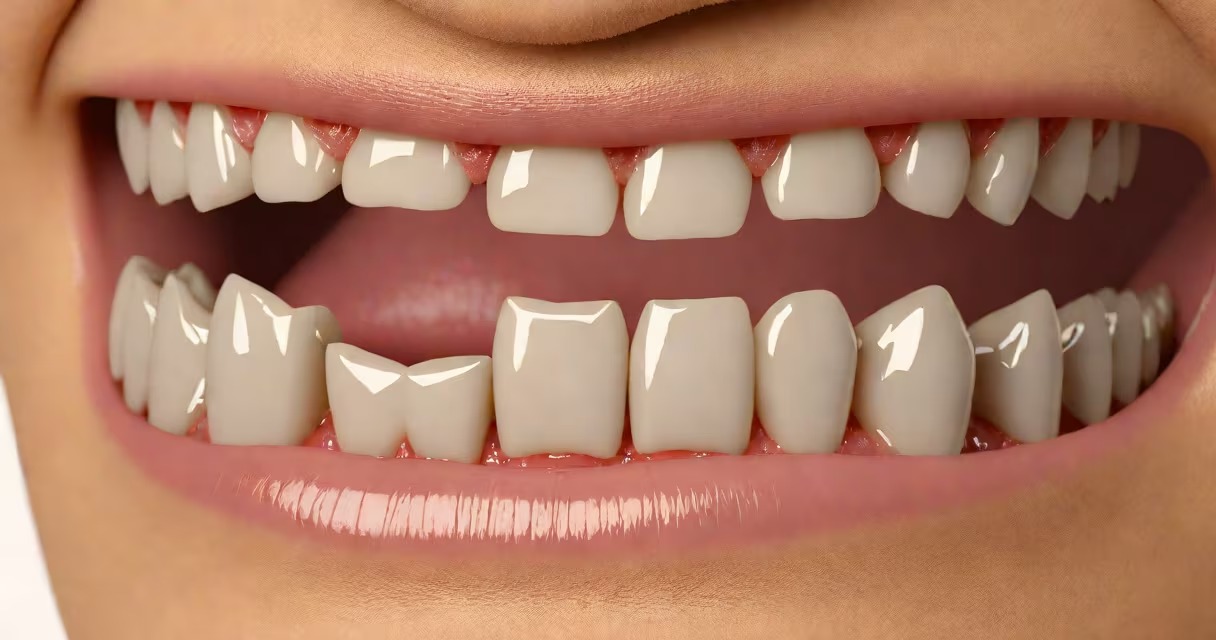
Dental veneers are thin shells bonded to the front of teeth to improve appearance, but they can cause irreversible enamel removal, gum damage, and long-term sensitivity. They're not universally safe and may lead to complications if improperly placed or maintained.
Veneers are typically made from porcelain or composite resin and are custom-fitted to cover the visible surface of front teeth. The process involves removing a small amount of tooth enamel-usually 0.5 to 1.5 millimeters-to make room for the restoration. This step is permanent and cannot be reversed. Once enamel is gone, the tooth loses its natural protective layer and becomes more vulnerable to decay and temperature sensitivity.
The American Dental Association (ADA) recognizes veneers as a valid cosmetic option, but cautions against their use when not clinically justified. According to the ADA's 2022 guidelines, improper placement can lead to occlusal issues, uneven wear, and increased risk of periodontal disease due to poor fit around the gumline.
Porcelain veneers are fabricated in a dental lab using impressions taken from the patient's mouth. They offer superior durability and stain resistance compared to composite options. Composite veneers are applied directly in-office and require less tooth reduction, but they are more prone to chipping and discoloration over time.
A 2021 study published in the Journal of Prosthetic Dentistry found that 14% of patients who received porcelain veneers reported increased sensitivity within the first year, with 6% experiencing pain during chewing. These symptoms often stem from inadequate bonding or excessive preparation depth.
Some clinics advertise "no-prep" veneers as a low-risk alternative. However, these are only suitable for patients with minimal tooth misalignment and no significant bite issues. A case study from the University of Michigan School of Dentistry documented a patient who developed severe gingival recession after receiving no-prep veneers due to poor marginal adaptation.
Enamel loss is the most irreversible consequence of veneer placement. Since enamel doesn't regenerate, removing even a fraction of it reduces the tooth's structural integrity. Over time, this can lead to microfractures and increased risk of pulp exposure.
Gum recession is another frequent issue. When veneers don't align properly with the gumline, they create pockets where bacteria accumulate. A 2020 analysis in the International Journal of Periodontics & Restorative Dentistry linked poorly fitted veneers to a 3.2-fold higher incidence of gingivitis among patients with existing periodontal vulnerability.
Patients may also experience aesthetic failure. Porcelain veneers can appear too opaque or chalky under certain lighting. One dentist surveyed in a 2023 report noted that 28% of patients requested revisions due to unnatural color matching, especially when adjacent teeth were untreated.
Veneers are commonly used to correct gaps between front teeth, minor misalignments, and discoloration from tetracycline staining or root canal treatment. They're popular in cosmetic dentistry because they deliver quick results-often in just two visits.
However, they're not recommended for individuals with bruxism (teeth grinding), as the force can crack or dislodge the veneer. The American Academy of Cosmetic Dentistry states that patients with uncontrolled bruxism have a 40% higher chance of veneer failure within five years.
For those seeking a reversible solution, alternatives like clear aligners or professional whitening may be better suited. Veneers are not a substitute for orthodontic care in cases of moderate crowding or malocclusion.
Many people assume veneers are a permanent fix for crooked teeth. But they don't correct underlying alignment problems-they mask them. A patient with mild crowding might get veneers to close gaps, but over time, the teeth can still shift, leading to uneven spacing and compromised aesthetics.
Another misconception is that veneers eliminate the need for daily brushing and flossing. In reality, the area beneath the veneer edge is highly susceptible to plaque buildup. Without proper oral hygiene, decay can develop at the margin where the tooth meets the veneer.
A lesser-known fact: veneers can interfere with dental imaging. Porcelain reflects X-rays, which can obscure views of the underlying tooth structure. This makes early detection of decay or root pathology more difficult during routine checkups.
In 2022, a 34-year-old woman from Denver underwent six porcelain veneers to address yellowed teeth. She had no prior dental issues. After eight months, she developed sharp pain when consuming cold drinks. An X-ray revealed a deep cavity forming at the junction between her left central incisor and the veneer. The dentist confirmed that the margin was slightly undercut, allowing bacteria to infiltrate.
She required a root canal and crown replacement. Her original veneer had to be removed. The cost of repair exceeded $5,000. She later shared that she hadn't realized the procedure involved irreversible enamel removal until after the consultation.
| Type | Tooth Reduction Needed | Lifespan (avg) | Risk of Sensitivity | Best For |
|---|---|---|---|---|
| Porcelain | 0.5-1.5 mm | 10-15 years | High (14% in clinical studies) | Stable bite, no bruxism |
| Composite | 0.2-0.5 mm | 5-7 years | Moderate (8%) | Reversible correction, budget-conscious |
| No-prep | Minimal (0.1-0.2 mm) | 4-6 years | Low (4%) | Minor imperfections, healthy gums |
Each type carries trade-offs. No-prep veneers seem ideal for avoiding enamel loss, but they're not suitable for everyone. A 2021 review in the Journal of Esthetic and Restorative Dentistry warned that no-prep veneers fail faster in patients with high occlusal forces.
Patients with active gum disease, untreated cavities, or untreated bruxism should avoid veneers. The American Dental Association advises screening for these conditions before any cosmetic procedure.
If you're considering veneers, ask your dentist about the specific reason for tooth reduction. A reputable provider will explain the trade-offs and show you before-and-after images of actual cases-not just marketing photos.
Understanding why veneers are bad begins with recognizing that they're not just cosmetic-they're surgical procedures with lasting consequences. Always weigh the benefits against the irreversible changes to your natural teeth.