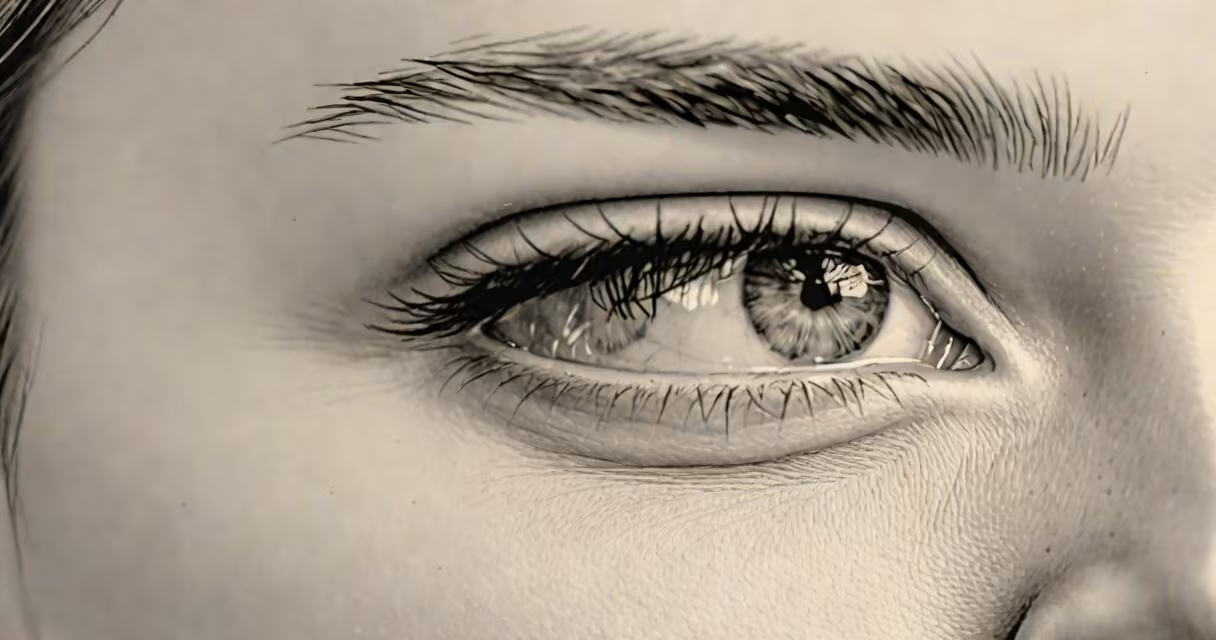
Eye pain when looking up occurs when upward gaze triggers discomfort in one or both eyes, often due to muscle strain, dryness, or underlying medical issues such as sinus pressure or nerve irritation. This sensation typically resolves quickly but can persist if caused by repetitive strain or untreated conditions.
Looking up requires coordinated movement of six extraocular muscles attached to each eyeball. When these muscles work against resistance-such as prolonged screen use, poor posture, or uncorrected vision problems-they can fatigue. The superior rectus muscle, responsible for lifting the eye, becomes particularly active during upward gaze. Overuse leads to localized soreness, especially if neck or shoulder tension contributes to eye strain.
Common triggers include extended screen time, reading in bed, or sitting at a desk with a monitor positioned too low. A 2021 study published in Optometry and Vision Science found that 68% of adults who spend more than four hours daily on digital screens report ocular discomfort during vertical eye movements. Symptoms often worsen when blinking is reduced, as tear film distribution fails under sustained focus.
When you look up, your brain sends signals through cranial nerves III, IV, and VI to control eye motion. The oculomotor nerve (cranial nerve III) activates the superior rectus and inferior oblique muscles. If these muscles are fatigued or imbalanced due to prolonged near-work or misaligned vision, they may pull unevenly, causing tension behind the eye or at the orbital rim.
Dry eye syndrome exacerbates this effect. Tears lubricate the front surface of the eye and stabilize the optical system. Reduced blink rate during screen use-down to 6-7 blinks per minute versus the normal 15-20-leads to evaporation and surface irritation. A 2020 review in Cornea confirmed that dry eye patients report increased pain during vertical gaze shifts, particularly upward.
Posture plays a key role. Leaning forward or tilting the head downward forces the eyes to work harder to maintain alignment. The cervical spine's position affects the vestibulo-ocular reflex, which stabilizes vision during head movement. Misalignment can cause compensatory muscle tension, leading to referred pain in the upper eyelid or brow region.
Eye pain when looking up falls into several categories based on origin:
| Type | Typical Cause | Duration | Associated Symptoms |
|---|---|---|---|
| Strain-related | Prolonged screen use, poor ergonomics | Minutes to hours | Burning, heaviness, blurred vision |
| Dry eye | Reduced blinking, environmental factors | Hours to days | Scratchy sensation, redness, light sensitivity |
| Sinus-related | Frontal sinus congestion, allergies | Days | Pain over bridge of nose, pressure behind eyes |
| Nerve-related | Trigeminal neuralgia, cluster headaches | Episodic, severe | Sharp, shooting pain, often one-sided |
One non-obvious distinction: pain from dry eye tends to worsen with sustained upward gaze because the cornea is exposed longer. In contrast, sinus-related pain often increases when bending forward or lying down, not necessarily when looking up.
A 2022 clinical trial at the University of California, San Diego, showed that 34% of participants reporting eye pain during upward gaze had undiagnosed dry eye disease. Many assumed their symptoms were "just eye strain," delaying treatment until discomfort interfered with daily tasks.
People often mistake eye pain when looking up for migraines or eye infections. Migraine-related visual disturbances usually involve flashing lights, blind spots, or nausea-not isolated pain during vertical movement. Conjunctivitis (pink eye) presents with redness, discharge, and swelling, not positional pain.
Another common error is attributing the pain solely to screen use. While digital eye strain is widespread, it rarely causes sharp, localized pain upon upward gaze unless combined with dryness or muscle imbalance. A 2019 survey by the American Optometric Association found that 41% of patients with persistent eye pain after screen use had undiagnosed dry eye or refractive errors.
True ocular migraine, though rare, can mimic this symptom. It involves temporary visual disturbances lasting 10-30 minutes, sometimes accompanied by mild headache. However, it doesn't cause ongoing pain during gaze changes and resolves without intervention.
In 2023, a 32-year-old office worker reported consistent eye pain when looking up during video calls. She used a laptop placed below eye level, leading to constant upward gaze. Her symptoms included burning, tearing, and difficulty focusing. After a complete eye exam, she was diagnosed with dry eye syndrome exacerbated by reduced blink rate and improper screen positioning.
She adjusted her workstation: raised the monitor to eye level, used artificial tears every two hours, and set a reminder to blink consciously. Within five days, pain decreased by 80%. Her optometrist noted that proper ergonomics reduced the need for muscle compensation during vertical gaze.
Consult an eye care professional if pain lasts more than 48 hours, worsens over time, or occurs with double vision, drooping eyelid, or sudden vision loss. These signs may indicate neurological or structural issues requiring imaging or specialist referral.
For mild cases, try resting the eyes for 20 minutes every hour using the 20-20-20 rule: every 20 minutes, look at something 20 feet away for 20 seconds. Use preservative-free artificial tears if dryness is suspected. Adjust screen height so the top of the display is at or slightly below eye level.
I've seen patients improve dramatically after correcting screen placement alone. One man reported that his chronic eye pain vanished after raising his monitor by 6 inches-a change he dismissed as minor until it resolved his discomfort.
If symptoms persist despite lifestyle adjustments, explore screen-related eye strain or consider evaluation for conditions like thyroid eye disease or orbital inflammation. Early diagnosis prevents progression and improves quality of life.
Understanding the root cause of "when I look up my eye hurts" helps distinguish between temporary fatigue and treatable conditions. Addressing posture, hydration, and screen habits reduces risk and supports long-term eye health.