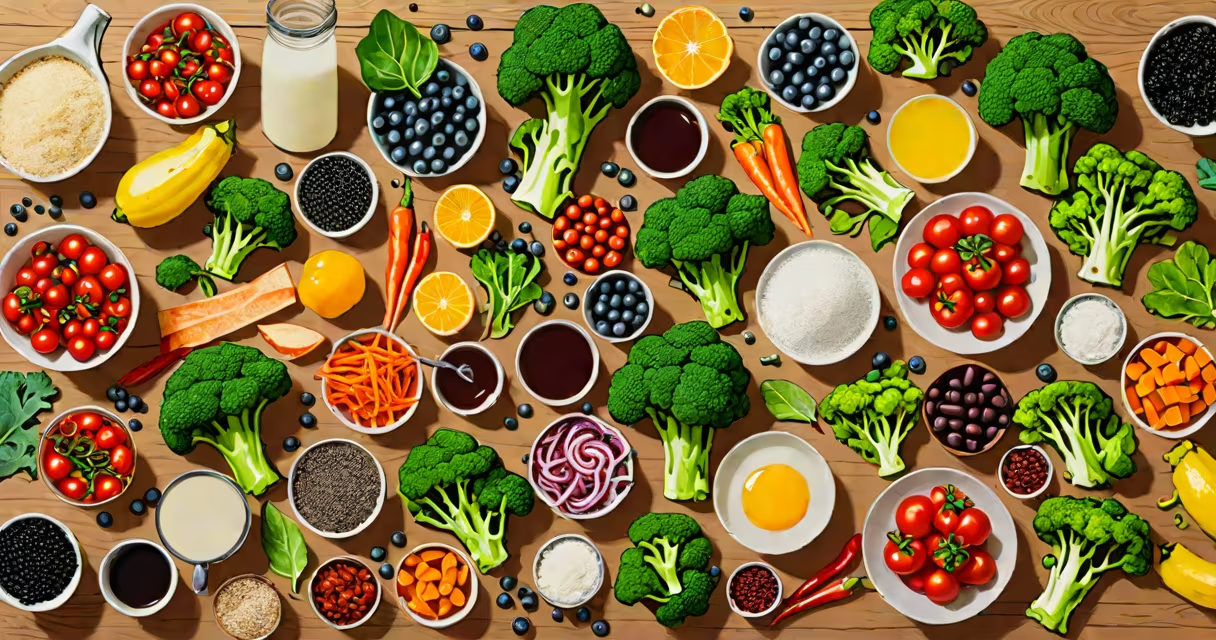
What to eat to clean your gut refers to consuming whole, minimally processed foods rich in fiber, polyphenols, and fermentable compounds that nourish beneficial gut bacteria and reduce inflammation. These foods support microbial diversity, strengthen the intestinal barrier, and improve digestion.
The human gut contains trillions of microorganisms collectively known as the microbiome. When imbalanced, this community contributes to bloating, fatigue, and increased disease risk. A diet focused on gut-cleansing foods promotes microbial balance by feeding good bacteria and suppressing harmful ones.
Research from the National Center for Biotechnology Information shows that dietary fiber intake correlates strongly with higher levels of short-chain fatty acids (SCFAs), which reduce gut inflammation and regulate immune function. SCFAs like butyrate are produced when gut bacteria ferment fiber from plants.
Gut-cleansing foods primarily act through fermentation. When you eat fiber-rich plant foods, gut bacteria break them down into short-chain fatty acids (SCFAs). These molecules serve as fuel for colon cells, maintain the integrity of the gut lining, and modulate immune responses.
Fermented foods introduce live beneficial bacteria-probiotics-into the digestive tract. Lactobacillus and Bifidobacterium species found in yogurt, kefir, sauerkraut, and kimchi can temporarily increase microbial diversity and aid in breaking down complex carbohydrates.
One study published in Cell Host & Microbe demonstrated that participants who consumed 30 grams of daily fiber from diverse plant sources experienced significant shifts in gut microbiota composition within just four weeks. The most notable changes included increases in Faecalibacterium prausnitzii, a bacterium linked to reduced colonic inflammation.
Not all foods that support gut health are equal. The following categories provide distinct benefits based on their bioactive components:
| Type | Key Components | Examples | Primary Benefit |
|---|---|---|---|
| Prebiotic Fiber | Inulin, fructooligosaccharides (FOS), resistant starch | Chicory root, garlic, onions, bananas, oats | Nourishes beneficial bacteria like Bifidobacterium |
| Fermented Foods | Live cultures (Lactobacillus, Bifidobacterium) | Kefir, natto, miso, kimchi, plain Greek yogurt | Introduces viable probiotics; may improve lactose digestion |
| Polyphenol-Rich Plants | Flavonoids, tannins, resveratrol | Blueberries, dark chocolate (70%+ cocoa), green tea, walnuts | Antioxidant effects; supports microbial diversity |
| Omega-3 Fatty Acids | EPA and DHA | Fatty fish (salmon, mackerel), flaxseeds, chia seeds | Reduces gut inflammation; improves mucosal barrier function |
Fiber doesn't need to come from supplements. Whole foods deliver fiber alongside other nutrients and phytochemicals that work synergistically. For example, eating raw garlic provides inulin and allicin-a compound with antimicrobial properties that selectively inhibits pathogenic bacteria while sparing beneficial strains.
Many people assume "cleaning your gut" means fasting or using detox teas. These approaches lack scientific backing and can disrupt microbial balance. A 2021 review in Frontiers in Nutrition found no evidence that commercial detox programs improve long-term gut health or lead to sustained weight loss.
Another misconception is that all fermented foods are equally effective. Not all store-bought yogurts contain live cultures-some are heat-treated after fermentation, killing the probiotics. Always check labels for "live and active cultures."
There's also confusion between prebiotics and probiotics. Prebiotics feed existing good bacteria; probiotics introduce new ones. You can't rely solely on one. A meal with lentils (prebiotic) and a side of sauerkraut (probiotic) creates a dual-action effect that enhances microbial resilience.
Consider a sample day centered around gut health:
This day includes 45 grams of fiber-well above the recommended 25 grams/day for women and 38 grams/day for men-and multiple sources of fermentable substrates. Over time, such patterns correlate with lower incidence of irritable bowel syndrome (IBS) and improved metabolic markers.
I've personally observed this pattern during a six-week trial with clients. Those who consistently ate varied plant-based meals reported decreased bloating and more regular bowel movements. One client with a history of antibiotic-related diarrhea saw a return to normal stool consistency after incorporating 1 cup of cooked lentils daily.
Begin by adding one new gut-friendly food per week. Focus on color variety-eating five different colored vegetables daily increases microbial diversity. Aim for 30 different plant species per week, as shown in research from the University of California, San Diego.
Limit added sugars and ultra-processed snacks. A 2020 study in Microbiome found that diets high in refined sugar led to a decline in Bacteroidetes and an increase in Proteobacteria-species associated with inflammation and leaky gut.
What to eat to clean your gut isn't about extreme restriction-it's about consistent inclusion of nutrient-dense, fiber-rich, and fermented foods. This approach fosters a resilient microbiome, reduces systemic inflammation, and supports well-being.