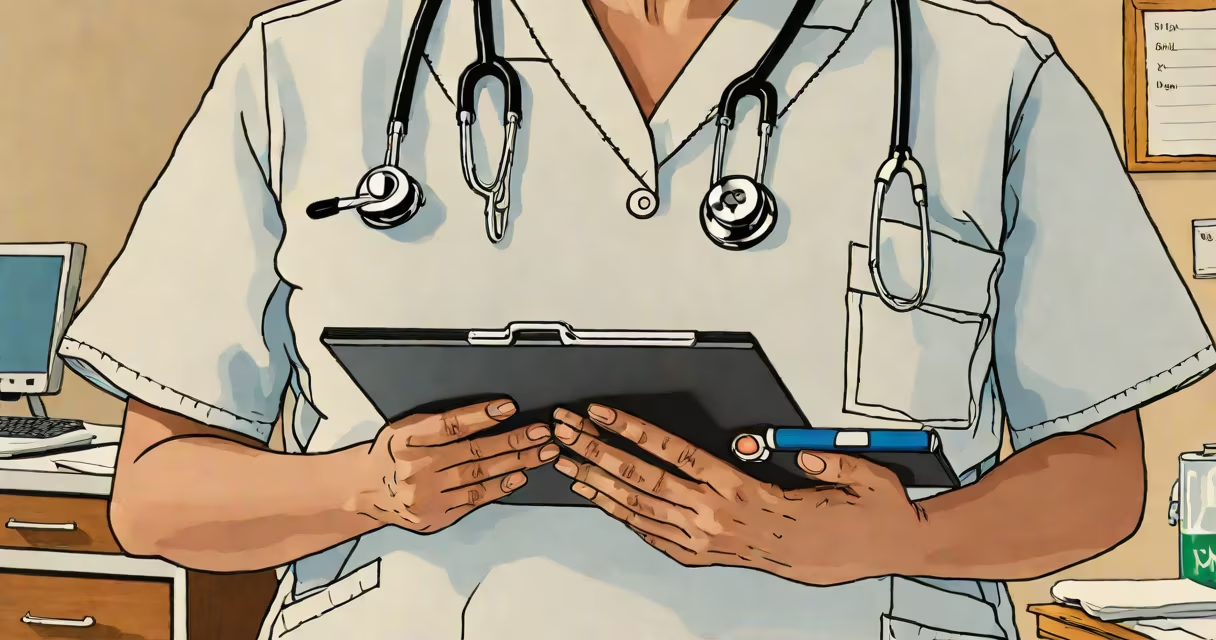
LPN stands for Licensed Practical Nurse, a healthcare worker trained to deliver basic patient care under the direction of physicians and registered nurses. These professionals work in hospitals, long-term care facilities, clinics, and home health settings.
LPNs perform essential tasks such as taking important signs, administering medications, changing dressings, and monitoring patient conditions. They are not authorized to diagnose illnesses or prescribe treatments, but they play a critical role in patient safety and comfort.
The title "Licensed Practical Nurse" reflects both education and state licensing. To earn the license, candidates complete a state-approved practical nursing program-typically lasting 11 to 12 months-and pass the National Council Licensure Examination for Practical Nurses (NCLEX-PN).
LPNs operate within a structured care team. They report to RNs or physicians and follow detailed care plans. Their responsibilities include recording patient symptoms, assisting with daily living activities, and notifying supervisors of changes in condition.
In a long-term care facility, an LPN may check blood pressure every four hours, document results in the electronic health record, and alert the supervising nurse if a patient's reading drops below 90/60 mmHg. This level of monitoring prevents complications and supports timely interventions.
According to the U.S. Bureau of Labor Statistics, LPNs spend most of their time walking between patient rooms, documenting care, and communicating with other staff. Shifts average 40 hours per week, though many work evenings, weekends, or holidays due to continuous patient needs.
LPN programs are offered at community colleges, technical schools, and some universities. Courses cover anatomy, pharmacology, infection control, and patient communication. Clinical rotations provide hands-on experience in simulated and real-world environments.
After completing coursework, students must pass the NCLEX-PN exam. The test includes 85 to 145 multiple-choice questions assessing safe and effective patient care. The passing score varies by state but averages around 75% correct answers.
Each state regulates LPN practice through its board of nursing. Some states allow LPNs to start IVs or administer certain medications, while others restrict these duties. For example, California permits LPNs to give oral and injectable medications under a written protocol, but not IV push medications.
LPNs work across diverse healthcare sectors. The table below outlines common employment settings and typical duties:
| Setting | Typical Responsibilities | Supervision Level |
|---|---|---|
| Hospital | Monitoring important signs, assisting with procedures, documenting care | RN or physician |
| Nursing Home | Administering medications, bathing patients, reporting changes | Charge nurse or RN |
| Home Health Care | Visiting patients at home, managing wound care, coordinating with families | Registered nurse or agency supervisor |
| Clinic | Preparing exam rooms, collecting lab samples, supporting physicians | Physician or clinic manager |
LPNs in home health often travel between homes during a single shift. One LPN in rural Oregon reported averaging 45 miles per day driving between patient visits, carrying supplies in a compact medical bag.
Many people confuse LPNs with Certified Nursing Assistants (CNAs). While both support patient care, CNAs are unlicensed and typically handle hygiene tasks like bathing and feeding. LPNs have formal training and legal authority to administer medications and perform clinical assessments.
A key distinction is scope of practice. An LPN cannot independently manage complex cases. For example, if a patient develops sudden shortness of breath, the LPN must notify the RN or physician immediately-no independent decision-making is allowed.
Another misunderstanding is that LPNs are temporary or entry-level positions. In reality, many LPNs advance to roles such as charge nurse, supervisor, or even pursue further education to become RNs. The National League for Nursing reports that nearly 30% of LPNs enroll in associate degree programs within five years of licensure.
I once observed an LPN working overnight in a skilled nursing facility. Her shift began at 7 PM with a handoff from the day nurse. She reviewed each resident's chart, checked medication times, and reassessed those with chronic conditions. By midnight, she had administered 12 doses of medication, responded to two calls for assistance, and documented all entries in the electronic system.
At 2 AM, a resident with diabetes experienced low blood sugar. The LPN recognized early signs-sweating, confusion-and administered glucose gel per protocol. The resident stabilized within 15 minutes. This incident underscored how quickly LPNs can impact outcomes through vigilance and training.
LPN is not synonymous with "nurse practitioner" or "registered nurse." These roles require advanced degrees and broader clinical authority. LPNs do not lead care teams or make treatment decisions. They are part of the care delivery chain, not the command structure.
Also, LPN should not be confused with "LPN" as a title in non-healthcare fields. In finance or tech, "LPN" may refer to a different term-but in healthcare, it always means Licensed Practical Nurse.
Understanding what LPN stands for clarifies the role's boundaries and contributions. These professionals are foundational to patient care, especially in settings requiring consistent, attentive monitoring.
For those considering a career in healthcare, becoming an LPN offers a direct path into clinical work with relatively short training. The median annual wage for LPNs was $50,450 in May 2023, according to the BLS. With experience and additional education, many move into higher-paying roles.