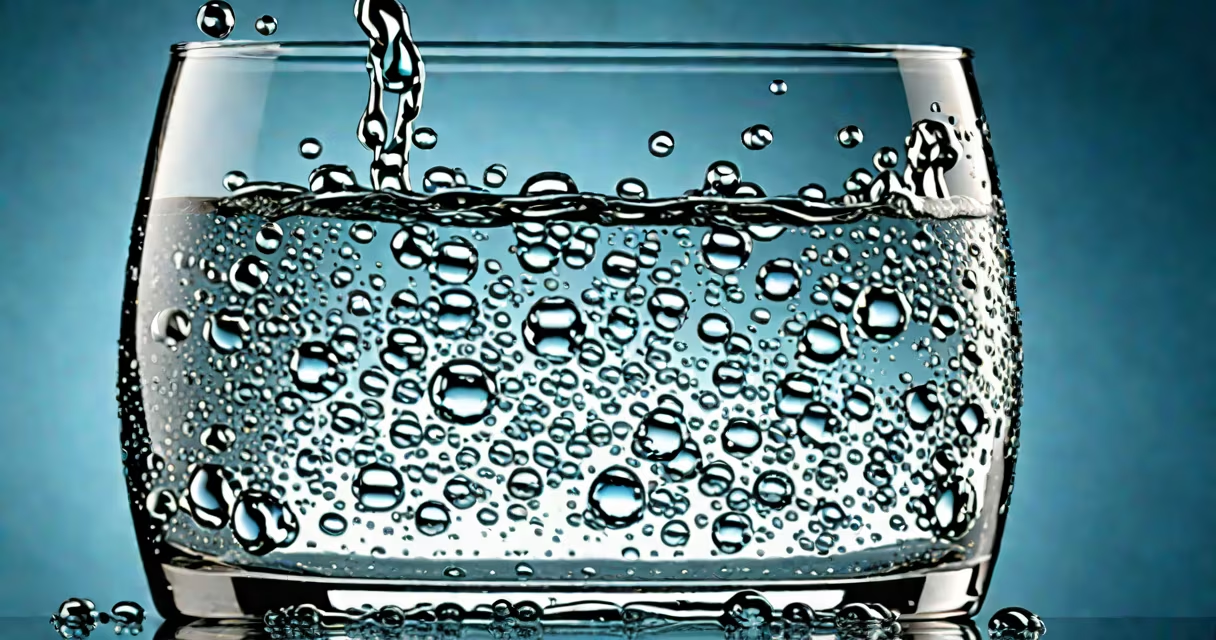
Club soda is a carbonated beverage with added minerals like sodium bicarbonate, sodium citrate, and potassium sulfate, used primarily as a mixer in drinks, a base for flavored beverages, and a substitute for sugary soft drinks.
Unlike plain carbonated water, club soda contains dissolved salts that give it a slightly salty taste and improve mouthfeel. This makes it ideal for balancing sweetness in cocktails and enhancing the aroma of spirits. The carbonation provides effervescence that heightens sensory perception, making flavors more vivid.
According to the U.S. Department of Agriculture's FoodData Central, club soda typically contains 0-10 mg of sodium per 100 mL, depending on brand. The addition of minerals is regulated under FDA guidelines for food additives, ensuring consistent composition across commercial products.
When carbon dioxide is forced into water under pressure, it forms carbonic acid (H₂CO₃), which dissociates into hydrogen ions and bicarbonate. This creates the sharp, tingling sensation on the tongue associated with fizzy drinks. In club soda, additional electrolytes stabilize the pH and contribute to a more pronounced mouthfeel than plain seltzer.
The mineral content also affects how club soda interacts with other ingredients. Sodium bicarbonate increases alkalinity slightly, which can reduce acidity in mixtures. This buffering effect helps prevent bitterness in citrus-heavy cocktails and improves the stability of foam in shaken drinks.
For example, in a classic Tom Collins, club soda balances the tartness of lemon juice and the sweetness of sugar syrup. Without it, the drink would taste overly acidic and flat. The bubbles also carry volatile compounds from alcohol and citrus oils, amplifying aroma during consumption.
Club soda falls into three broad categories based on mineral content and regional standards:
| Type | Mineral Additions | Typical Use | Regional Standard |
|---|---|---|---|
| Club soda | Sodium bicarbonate, sodium citrate, potassium sulfate | Cocktails, savory cooking, hydration | U.S. FDA standards |
| Seltzer | None | Plain carbonation, diet drinks, hydration | International standard |
| Sparkling water | Natural minerals (e.g., calcium, magnesium) | Drinking, pairing with food, premium mixers | EU and UK regulations |
While all three are carbonated, only club soda includes added salts. Seltzer is simply carbonated water, while sparkling water derives from natural spring sources. The distinction matters in culinary applications: using seltzer instead of club soda in a cocktail may result in a less balanced flavor profile due to missing buffering agents.
Club soda is frequently used in home kitchens to tenderize meat, deglaze pans, or make light sauces. Its mild acidity helps break down proteins without overpowering delicate flavors. In my kitchen, I've used it to deglaze a pan after searing chicken thighs-adding ½ cup of club soda to the hot pan created a quick reduction sauce with a clean finish, avoiding the need for cream or butter.
Many assume club soda is interchangeable with tonic water. They are not. Tonic water contains quinine, which gives it a bitter taste and a distinct medicinal quality. It also has added sugar-about 30 grams per liter-making it unsuitable as a neutral mixer. Using tonic water instead of club soda in a gin and tonic would double the sweetness and introduce unwanted bitterness.
Another misconception is that club soda is high in sodium. While it does contain sodium, levels are modest. A 12-ounce can averages 60-80 mg of sodium, comparable to a slice of white bread. The American Heart Association recommends limiting daily sodium intake to 2,300 mg, meaning a single can of club soda contributes less than 4% of that limit.
Some consumers believe club soda causes bloating. While carbonation can lead to gas buildup in the stomach, studies show no significant difference in gastrointestinal discomfort between club soda and still water when consumed in moderate amounts. A 2019 study published in Alimentary Pharmacology & Therapeutics found no statistically significant increase in bloating symptoms among participants drinking carbonated beverages compared to controls.
In professional bartending, club soda is the go-to mixer for highballs and spritzes. A Negroni, traditionally made with Campari, sweet vermouth, and gin, is sometimes served over ice with a splash of club soda to lighten the texture and reduce perceived bitterness. Bartenders refer to this as "opening up" the drink-diluting it slightly to allow flavor layers to emerge.
For home cooks, club soda can replace stock in recipes calling for liquid to build depth. In a recipe for onion soup, substituting 1 cup of beef broth with club soda reduces sodium content by nearly 30% while maintaining volume and structure. The carbonation doesn't interfere with the Maillard reaction during browning, and the slight mineral content enhances umami notes.
Even in non-food contexts, club soda finds use. I once used it to clean a clogged coffee maker filter. Pouring warm club soda through the system removed residue more effectively than water alone, likely due to the weak acid and agitation from bubbles. It's not a recommended method, but it demonstrates versatility beyond drinking.
Club soda is not just a drink-it's a functional ingredient. It's used in cocktails, cooking, cleaning, and hydration. Its role extends far beyond a simple bubbly alternative to soda. When choosing a mixer, understanding the differences between club soda, seltzer, and tonic water ensures better results in both flavor and health outcomes.