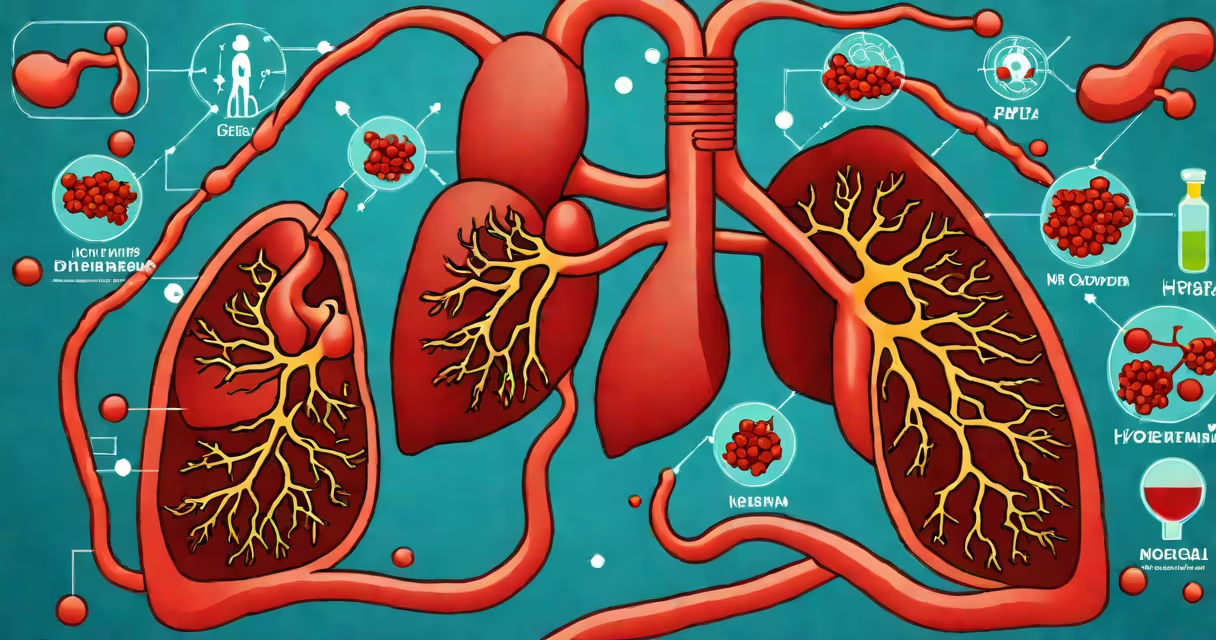
Hypoxemia means abnormally low levels of oxygen in the blood, specifically in the arterial system. It occurs when the partial pressure of oxygen in arterial blood drops below 80 mm Hg, or when pulse oximetry readings fall below 94%. This condition signals that tissues may not be receiving enough oxygen to function properly.
Arterial blood carries oxygen from the lungs to the rest of the body. When this oxygen level drops, cells struggle to produce energy efficiently. The body responds with faster breathing, increased heart rate, and mental confusion. If untreated, hypoxemia can lead to organ damage or failure.
Normal arterial oxygen saturation ranges from 95% to 100%. A reading below 90% indicates hypoxemia. Pulse oximeters measure this non-invasively using light through the fingertip. For confirmation, doctors draw arterial blood gas (ABG) samples, which provide precise measurements of oxygen, carbon dioxide, and pH levels.
Oxygen enters the bloodstream through the alveoli in the lungs. These tiny air sacs transfer oxygen to red blood cells, which carry it via hemoglobin. Hypoxemia arises when this process fails due to impaired gas exchange, reduced oxygen availability, or poor circulation.
Common causes include high altitude, chronic obstructive pulmonary disease (COPD), pneumonia, pulmonary edema, pulmonary embolism, and heart failure. In each case, either oxygen cannot reach the alveoli effectively, or blood flow through the lungs is compromised.
For example, a person with severe pneumonia may have inflamed lung tissue that prevents oxygen from diffusing into the blood. Even with normal breathing, their blood oxygen levels drop because the damaged alveoli can't transfer oxygen efficiently. This leads to hypoxemia despite adequate ventilation.
Hypoxemia is classified by mechanism. The most common types are:
| Type | Definition | Example |
|---|---|---|
| Diffusion impairment | Oxygen cannot cross the alveolar-capillary membrane | Pulmonary fibrosis |
| V/Q mismatch | Alveolar ventilation and perfusion are unbalanced | Pulmonary embolism |
| Right-to-left shunt | Blood bypasses the lungs entirely | Congenital heart defect |
| Low inspired oxygen | Low oxygen in ambient air | High-altitude climbing |
| Reduced cardiac output | Heart cannot deliver oxygenated blood | Cardiogenic shock |
Each type requires different diagnostic approaches and treatments. Diffusion impairment shows up on ABG tests as low PaO₂ with normal PaCO₂. V/Q mismatch often presents with normal PaCO₂ but low PaO₂, especially during exercise.
A key distinction is that hypoxemia differs from hypoxia. Hypoxia refers to low oxygen at the tissue level. Hypoxemia is specifically about low oxygen in the blood. A patient can have hypoxemia without tissue hypoxia if compensatory mechanisms like increased cardiac output maintain delivery.
Doctors diagnose hypoxemia using two primary tools: pulse oximetry and arterial blood gas analysis. Pulse oximeters are non-invasive and widely available. They estimate oxygen saturation by measuring light absorption through the fingertip. Normal values are above 94%.
Arterial blood gas testing is more accurate. It measures PaO₂ (partial pressure of oxygen), PaCO₂ (carbon dioxide), and pH. A PaO₂ below 80 mm Hg confirms hypoxemia. This test is essential in intensive care settings and during anesthesia.
For example, during surgery, a patient's pulse oximeter dropped to 88% during intubation. An ABG revealed a PaO₂ of 65 mm Hg and PaCO₂ of 40 mm Hg. This confirmed hypoxemia, prompting adjustments to ventilator settings and supplemental oxygen administration.
Many people confuse hypoxemia with shortness of breath. While both can occur together, they are not the same. A person can have significant hypoxemia with minimal symptoms, especially if they've adapted over time. Conversely, someone with anxiety may feel breathless without any drop in blood oxygen.
Another misconception is that all low oxygen levels require oxygen therapy. Mild hypoxemia (SpO₂ 90-94%) may not need treatment if the cause is temporary, such as mild altitude exposure. Oxygen supplementation is reserved for persistent or symptomatic cases.
Pulse oximeters can give false readings. They fail in cases of poor perfusion, nail polish, motion artifact, or abnormal hemoglobin variants. A study published in Critical Care Medicine found that pulse oximetry underestimates hypoxemia in 12% of patients with sepsis due to peripheral vasoconstriction.
In 2021, a 67-year-old man with COPD presented to the emergency department with fatigue and confusion. His initial SpO₂ was 89% on room air. A subsequent ABG showed PaO₂ of 62 mm Hg and PaCO₂ of 52 mm Hg. He met criteria for hypoxemia and hypercapnia.
He was placed on low-flow oxygen via nasal cannula at 2 L/min. Over 30 minutes, his SpO₂ rose to 93%, and mental status improved. Repeat ABG after stabilization showed PaO₂ of 78 mm Hg and PaCO₂ of 48 mm Hg. The treatment corrected hypoxemia and prevented further complications.
This case illustrates that hypoxemia is treatable when identified early. It also highlights the importance of confirming pulse oximetry results with ABG in patients with chronic lung disease.
Seek immediate medical attention if you experience sudden confusion, rapid breathing, chest pain, or bluish lips or skin (cyanosis). These signs suggest severe hypoxemia requiring urgent intervention.
Chronic hypoxemia may present subtly. Fatigue, memory lapses, morning headaches, or difficulty concentrating can be early indicators. Patients with sleep apnea often develop nocturnal hypoxemia, which contributes to daytime cognitive decline.
According to the American Thoracic Society, untreated chronic hypoxemia increases the risk of pulmonary hypertension and right-sided heart failure. Long-term oxygen therapy reduces mortality in patients with stable COPD and PaO₂ ≤55 mm Hg.
Hypoxemia is not a diagnosis itself-it's a sign of an underlying problem. It must be evaluated in context. A single low reading doesn't confirm a condition. Repeated measurements and clinical correlation are essential.
Understanding what hypoxemia means allows patients and clinicians to act quickly. Early recognition improves outcomes in respiratory illness, heart disease, and critical care. It's not just a lab value-it's a warning sign that demands attention.