Umami is the fifth basic taste, perceived as a rich, savory flavor caused by glutamate and nucleotides in food. It's not just "good taste"-it's a measurable sensory experience recognized by the human palate since the early 20th century.
Discovered in 1908 by Japanese chemist Kikunae Ikeda, umami translates literally as "pleasant savory taste." Ikeda isolated glutamic acid from kombu seaweed and identified it as the source of the distinctive flavor in dashi broth. This marked the first scientific validation of a taste beyond the four traditionally accepted categories.
Unlike sweet or salty, which are detected by specific receptors for sugars and sodium ions, umami relies on specialized taste receptors that bind to free glutamate and certain nucleotides like inosinate and guanylate. These compounds are naturally present in many protein-rich and fermented foods.
When glutamate binds to T1R1/T1R3 receptors on the tongue's taste buds, it triggers nerve signals interpreted by the brain as savory. This mechanism evolved to help humans detect protein-rich foods-key for survival in ancestral environments.
Umami doesn't exist in isolation. It amplifies other flavors through synergy. For example, combining glutamate-rich ingredients (like tomatoes) with inosinate-rich ones (like beef) creates a flavor intensity greater than the sum of its parts. This is why beef stew with tomatoes tastes deeper than either ingredient alone.
A 2017 study published in Nature Neuroscience confirmed that umami activates distinct neural pathways in the brain compared to other tastes, supporting its status as a unique sensory category. The research showed increased activity in the insular cortex and amygdala during umami perception, linking it to both pleasure and satiety signaling.
Umami occurs naturally in many foods. The most common sources fall into three categories: animal-based, plant-based, and fermented.
| Type | Examples | Key Compounds |
|---|---|---|
| Animal-based | Beef, chicken, fish, aged meat | Glutamate, inosinate |
| Plant-based | Tomatoes, mushrooms, spinach, ripe avocados | Glutamate, guanylate |
| Fermented | Miso, soy sauce, aged cheeses, kimchi | Glutamate, inosinate, guanylate |
Some foods contain high levels of free glutamate due to enzymatic breakdown during ripening or processing. A ripe tomato, for instance, contains about 1.5 milligrams of free glutamate per gram-enough to register strongly on the umami scale.
Processed forms like monosodium glutamate (MSG) are synthetic versions of natural glutamate. MSG was historically stigmatized following reports of "Chinese restaurant syndrome," but multiple double-blind trials have failed to confirm adverse effects in the general population. The FDA classifies MSG as "generally recognized as safe" (GRAS).
Umami is often mistaken for saltiness or richness. It's neither. Saltiness results from sodium ion detection; richness is a mouthfeel sensation. Umami is a distinct taste-sharp, deep, and satisfying.
Another myth is that umami only exists in Asian cooking. While Japanese cuisine popularized the concept, umami is universal. Think of the depth in a well-made beef stew, the savoriness of roasted mushrooms, or the lingering flavor of Parmesan cheese. These are all umami-driven experiences.
Even the term "umami" is sometimes misused. Some chefs label any "deep" flavor as umami. But scientifically, only stimuli that activate the T1R1/T1R3 receptor qualify. A chocolate bar may be rich and complex, but unless it contains free glutamate, it doesn't trigger umami perception.
Chefs use umami to improve flavor without adding salt. A classic example is the French technique of finishing a sauce with a small amount of grated Parmesan. The cheese's high glutamate content intensifies the dish's savoriness while reducing the need for additional seasoning.
In home kitchens, pairing tomatoes with grilled chicken or sautéed mushrooms with buttered toast leverages umami synergy. One study from the University of California, Davis, found that participants rated meals enhanced with umami ingredients as more satisfying-even when calorie counts were identical.
I once prepared a mushroom risotto using dried porcini powder and aged Parmesan. The result was deeply flavorful, even though the recipe contained no added salt. My guests couldn't identify the source of the richness until I explained the role of glutamate. That moment confirmed umami's power: it satisfies the palate without relying on sodium.
Understanding umami helps reduce sodium in processed foods. With rising concerns about hypertension and heart disease, food manufacturers are exploring umami-rich alternatives to salt. Products like low-sodium soups and seasonings now incorporate yeast extracts or hydrolyzed vegetable proteins-both high in free glutamate-to maintain flavor depth.
The World Health Organization (WHO) recommends limiting daily sodium intake to less than 2 grams. Umami offers a viable path toward meeting those goals without sacrificing taste. A 2021 review in Frontiers in Nutrition concluded that umami-enhanced diets improved palatability and adherence in elderly populations, who often lose taste sensitivity with age.
For those tracking meal timing, understanding umami's role can influence dietary choices. For example, consuming umami-rich meals earlier in the day may support better appetite regulation. Adjusting meal schedules around nutrient-dense, umami-rich foods can align with circadian eating patterns for optimal digestion and energy balance.
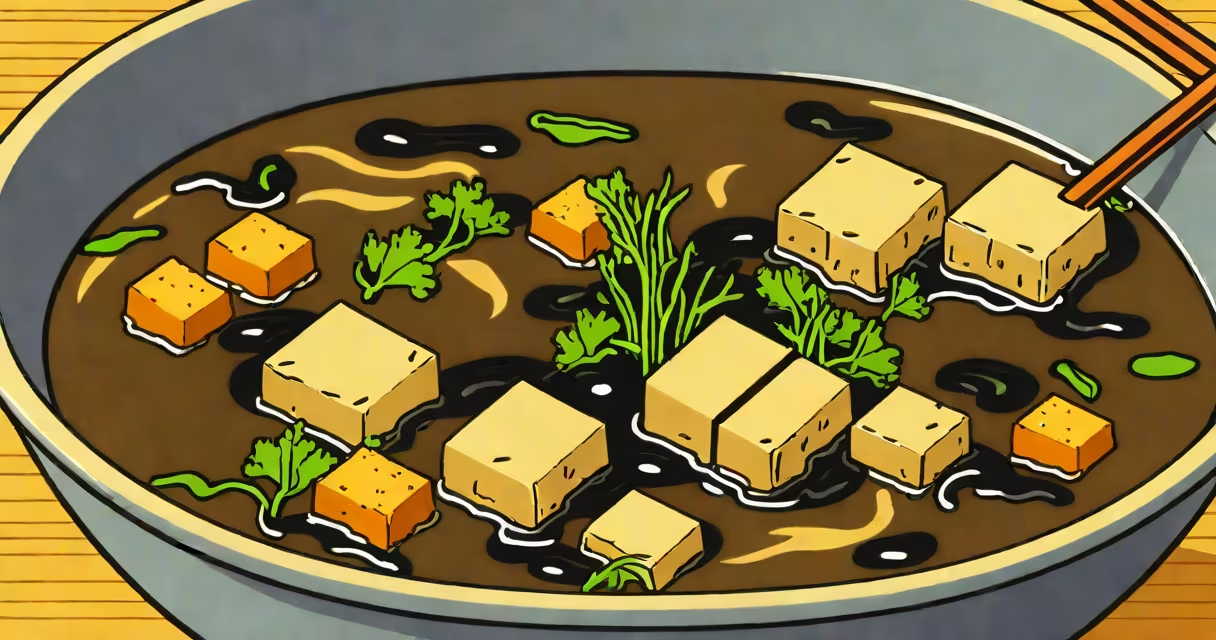
Finally, umami is not a trend-it's a biological reality. It's the reason a bowl of miso soup feels nourishing, why a perfectly ripe tomato bursts with flavor, and why a well-aged cheese lingers on the tongue. It's the taste of substance, of depth, of meaning in food.
Recognizing umami isn't just about identifying a flavor-it's about seeing food as a language of chemistry and biology. When you taste umami, you're not just eating. You're decoding the science of satisfaction.