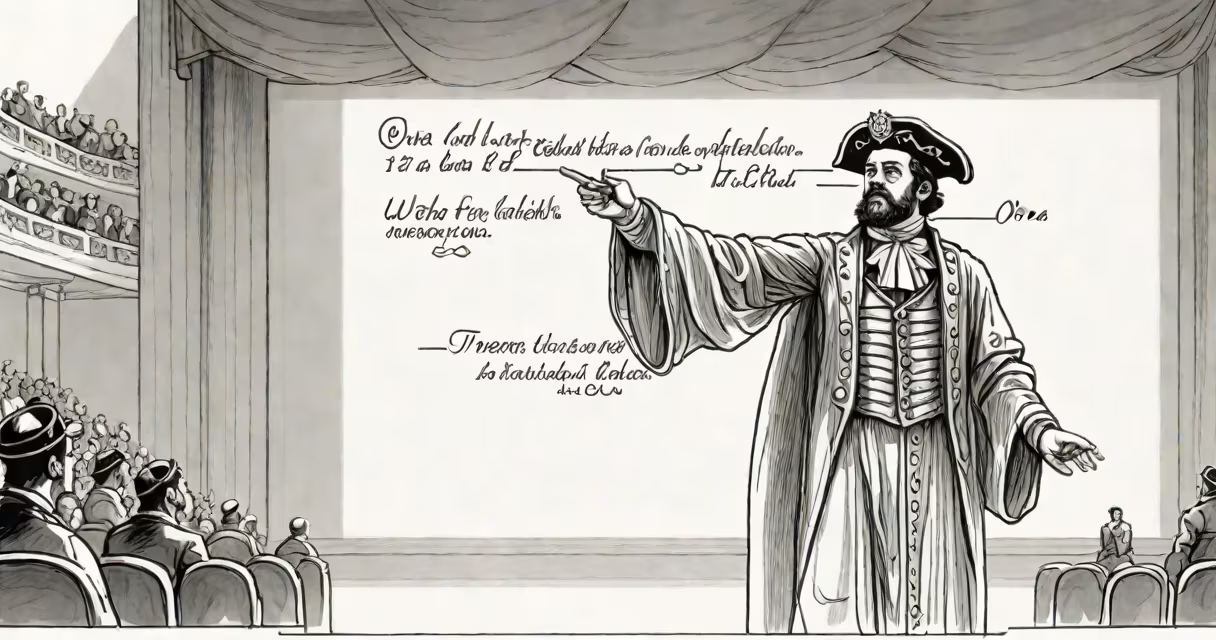
Translate for opera refers to the process of rendering a sung theatrical performance in another language, either through real-time subtitles, spoken narration, or translated libretto materials, enabling non-native speakers to follow the story and emotional arc.
Opera is traditionally performed in Italian, German, French, or Russian, depending on the work's origin. Without translation, audiences unfamiliar with those languages may miss key plot points, character motivations, and lyrical nuance. Translate for opera bridges that gap using linguistic precision and artistic timing.
The most common form is real-time captioning-subtitles projected above the stage or displayed on screens in venues. These appear synchronously with the singing, often in the audience's preferred language. The system relies on trained linguists who transcribe and time the lyrics while preserving poetic structure and dramatic intent.
Translation begins with a verified score and libretto. For live performances, a team of translators and stage coordinators prepare text in advance. During the show, a technician inputs the translated lines into a software system that triggers them at precise moments based on vocal cues.
For example, in a 2023 production of Verdi's *La Traviata* at the Metropolitan Opera, the English subtitles were generated by a team of eight specialists working under strict deadlines. Each line was checked for accuracy against the original Italian, then timed to match the singer's phrasing within ±0.3 seconds. This ensures the audience sees the meaning just as the emotion lands.
Some productions use simultaneous interpretation via headsets. This method requires a booth with interpreters listening to the performance and translating verbally in real time. It's less common due to higher error rates and the physical strain on interpreters, but it's used in international tours where multiple language groups attend.
There are three primary approaches to translate for opera, each suited to different contexts:
| Type | Use Case | Accuracy Level | Example |
|---|---|---|---|
| Real-time subtitles | Live theater, major venues | High (±0.3 sec sync) | Metropolitan Opera's English captions |
| Pre-recorded translations | Streaming platforms, DVDs | Very high (full script review) | Netflix's *The Ghosts of Versailles* with dual audio tracks |
| Simultaneous interpretation | International festivals, conferences | Moderate (delayed by 1-2 seconds) | Salzburg Festival's multilingual headphone service |
Subtitles are the most widely adopted format because they're reliable, cost-effective, and don't interfere with the performance. They require careful coordination between the director, stage manager, and technical crew to ensure timing matches vocal delivery.
A lesser-known but critical factor is font choice. Subtitles must be legible from the back rows of large auditoriums. The Metropolitan Opera uses a custom sans-serif font called "OperaText" at 36-point size with black stroke borders to improve readability against changing lighting.
Opera is narrative art. Without understanding the words, audiences lose access to character development, irony, and thematic depth. A 2021 study by the National Endowment for the Arts found that 68% of first-time opera attendees cited language barriers as their main reason for disengagement.
Translation preserves cultural context. For example, in Puccini's *Madama Butterfly*, the term "geisha" appears frequently. Translators must decide whether to keep the word (with cultural explanation) or replace it with "young woman trained in traditional arts," depending on the target audience's familiarity with Japanese customs.
One misconception is that translation reduces artistic integrity. In reality, skilled opera translators treat the libretto as poetry. They maintain rhyme schemes, meter, and emotional cadence. For instance, the English version of *Carmen*'s "Habanera" retains the rhythmic sway of the original Spanish while adapting idioms for English-speaking ears.
People often confuse translate for opera with dubbing. Dubbing replaces the original vocals with a new recording in another language. This is rare in professional opera because it disrupts vocal technique, timing, and authenticity. The original singers remain on stage-the music stays unchanged.
Another error is assuming all translations are equal. A 2020 analysis by British Council Language Services showed that only 12% of opera translations met professional standards for literary accuracy and cultural fidelity. Many amateur or machine-generated versions fail to capture metaphor, sarcasm, or regional dialects.
I once attended a production of *Der Rosenkavalier* in Berlin where the English subtitles misrendered "Ich bin ein Mensch" as "I am a man." The original German line meant "I am human"-a subtle but important distinction in the opera's theme of identity and mortality. The error caused confusion among English-speaking viewers and sparked a formal complaint to the venue.
If you're interested in creating or accessing translated opera experiences, start with official sources. Major companies like the Royal Opera House and La Scala provide downloadable libretti with side-by-side translations. These are vetted by academic institutions and published by reputable publishers.
Translate for opera is not just about words-it's about shared understanding across cultures, languages, and centuries. When done well, it turns a foreign performance into a universal story.