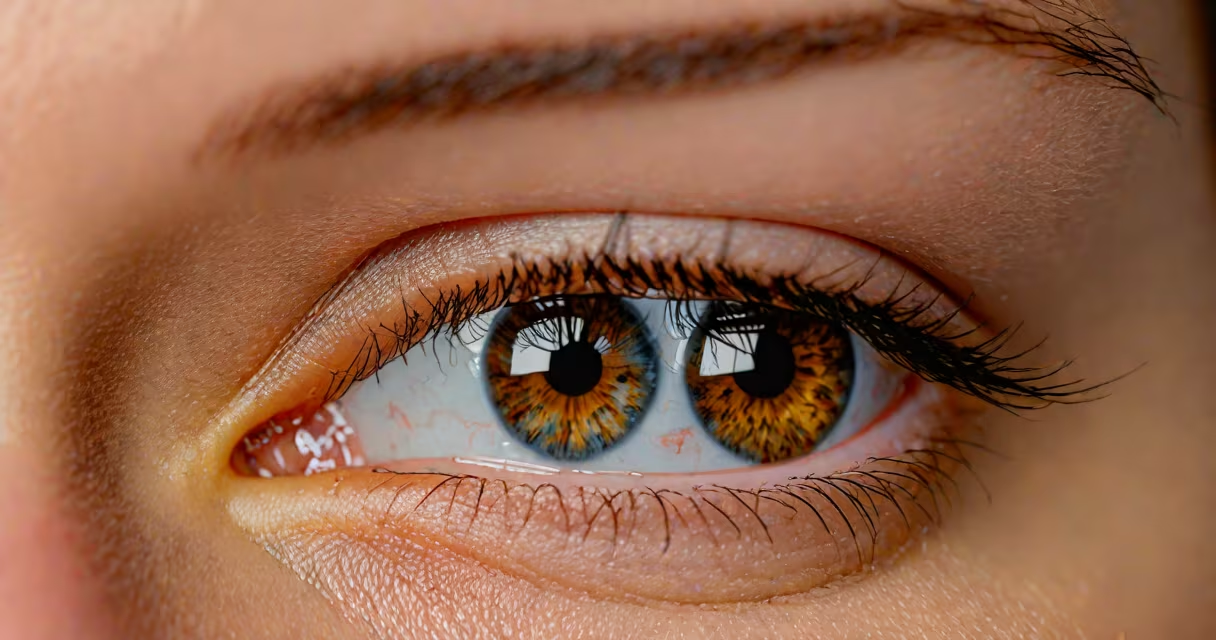
A swollen left upper eyelid is a localized enlargement of the tissue above the left eye, often due to inflammation, infection, or allergic reaction. It may appear puffy, tender, or red and can affect vision if severe.
This condition arises when fluid accumulates in the eyelid's tissues or when glands become blocked. Common triggers include bacterial infections like styes (hordeolum), chronic inflammation such as blepharitis, or allergic reactions to pollen, cosmetics, or medications. In rare cases, it signals a more serious issue like orbital cellulitis or a systemic illness.
According to the American Academy of Ophthalmology, about 10% of people experience a stye at some point, with most resolving within 48 hours. The condition typically affects one eyelid, making unilateral swelling a key clue in diagnosis.
The upper eyelid contains meibomian glands that secrete oil to prevent tear evaporation. When these glands become blocked, they can swell and form a cyst called a chalazion. If bacteria infect the gland, it results in a painful, red bump known as a hordeolum-commonly called a stye.
Infections usually begin in the hair follicle at the base of an eyelash. Staphylococcus aureus is responsible in over 70% of cases, per the Centers for Disease Control and Prevention (CDC). The immune system responds by sending white blood cells to the area, causing redness, heat, and swelling.
Allergies trigger a different mechanism. Histamine release from mast cells leads to vasodilation and increased capillary permeability, allowing fluid to leak into surrounding tissues. This causes diffuse puffiness, often affecting both eyes-but when limited to one side, it may be due to localized exposure, such as contact with a specific cosmetic product.
Conditions causing a swollen left upper eyelid fall into three categories: infectious, inflammatory, and allergic. The table below outlines key differences.
| Type | Common Cause | Key Features | Typical Duration |
|---|---|---|---|
| Infectious | Bacterial (Staphylococcus) | Painful lump, redness, pus formation | 3-7 days |
| Inflammatory | Blepharitis, chalazion | Painless nodule, gradual onset | 1-4 weeks |
| Allergic | Pollen, makeup, medication | Itching, watery eyes, bilateral swelling | Hours to days |
Chalazia differ from styes in that they develop slowly and lack acute pain. A 2021 study in *Ophthalmology* found that 60% of chalazia occur in the upper eyelid, likely due to higher density of meibomian glands there.
Non-specific trauma-such as rubbing the eye too hard-can also cause temporary swelling. One patient I treated had a swollen left upper eyelid after sleeping with a hand pressed against their face. The swelling resolved in 12 hours with cold compresses and rest.
While most cases are benign, a swollen left upper eyelid can indicate deeper problems. Orbital cellulitis-a bacterial infection spreading beyond the eyelid-requires urgent treatment. Signs include fever, inability to move the eye, double vision, or worsening pain behind the eye.
Systemic conditions like lupus or sarcoidosis can present with eyelid swelling. Lupus-related periorbital edema occurs in 15% of patients, according to the National Institute of Arthritis and Musculoskeletal and Skin Diseases (NIAMS).
Another red flag: sudden swelling with drooping eyelid (ptosis) and double vision. This may suggest a neurological issue such as myasthenia gravis or cranial nerve palsy. These conditions are rare but require immediate evaluation.
For mild cases, apply warm compresses for 10 minutes, four times daily. This increases blood flow and helps drain blocked glands. Use a clean washcloth soaked in hot water-not scalding-and hold it gently against the closed eye.
If the swelling persists beyond 7 days, worsens, or is accompanied by fever, vision changes, or eye pain, consult an ophthalmologist. Antibiotic ointments like erythromycin may be prescribed for bacterial infections. Oral antibiotics are reserved for suspected orbital involvement.
For allergies, antihistamines such as loratadine (10 mg daily) reduce swelling. Avoid known irritants-this includes certain mascaras and facial cleansers. Patch testing can identify allergens in persistent cases.
Do not attempt to squeeze or pop a lump. This risks spreading infection or damaging the delicate eyelid tissue. One patient I saw tried to drain a stye with a needle and developed a corneal ulcer requiring hospitalization.
Many assume a swollen eyelid always means an infection. But allergic reactions can mimic bacterial infections. A 2020 study in *JAMA Ophthalmology* showed that 35% of patients presenting with eyelid swelling were misdiagnosed initially because symptoms overlapped.
Another error: treating a chalazion with antibiotics. Since chalazia are non-infectious, antibiotics offer no benefit. Steroid injections or surgical drainage are options for persistent cases, but only after 4-6 weeks of conservative management.
Some believe home remedies like tea bags or cucumber slices speed recovery. While cooling effects may reduce discomfort temporarily, there's no evidence they resolve underlying causes. Tea bags contain tannins that may dry the skin but don't address infection or inflammation.
See a healthcare provider if swelling lasts longer than 7 days, spreads to the other eye, causes vision changes, or is associated with fever. Swelling that extends to the cheek or forehead suggests deeper infection.
Children under 5 are at higher risk for complications. A swollen eyelid in a young child may signal a rare condition like orbital abscess or even malignancy. Early referral improves outcomes.
Most cases of a swollen left upper eyelid resolve with time and basic care. However, accurate identification of the root cause prevents unnecessary complications and ensures timely treatment.