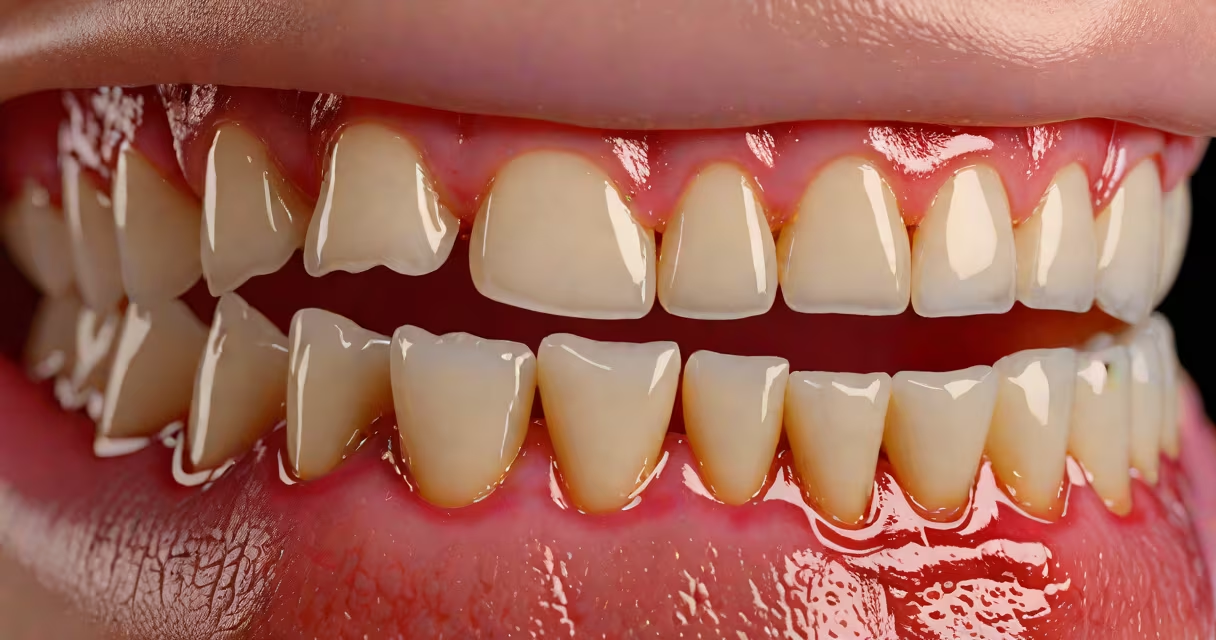
Oral inflammation causes arise from microbial invasion, physical trauma, allergic reactions, or systemic diseases affecting the mouth's soft tissues and gums. The condition manifests as redness, swelling, pain, and sometimes ulceration in the lips, tongue, cheeks, or gums.
When bacteria accumulate along the gumline, they trigger an immune response that results in localized swelling and discomfort. This process begins with plaque formation-a sticky film of food debris and oral microbes. If not removed daily through brushing and flossing, plaque hardens into tartar, which cannot be removed by routine cleaning. Tartar irritates the gums, leading to gingivitis, the earliest stage of periodontal disease.
According to the American Dental Association (ADA), untreated gingivitis affects nearly half of U.S. adults aged 30 and older. Left unchecked, it progresses to periodontitis, where infection spreads below the gumline, damaging bone and connective tissue. The Centers for Disease Control and Prevention (CDC) reports that 47% of Americans aged 30+ have some form of periodontal disease, underscoring the public health impact of poor oral hygiene.
Oral inflammation isn't a single condition-it appears in multiple forms, each with distinct causes. The most common types include gingivitis, stomatitis, and aphthous ulcers.
| Type | Primary Causes | Common Symptoms |
|---|---|---|
| Gingivitis | Bacterial plaque, poor brushing habits, smoking | Red, swollen gums; bleeding during brushing |
| Stomatitis | Viral infections (e.g., herpes simplex), chemical irritants, nutritional deficiencies | Ulcers inside the mouth, soreness, difficulty eating |
| Aphthous ulcers | Immune system overreaction, stress, food sensitivities | Small, painful white or yellow sores on inner cheeks or tongue |
While gingivitis stems almost entirely from local oral hygiene failure, stomatitis often involves external triggers. For example, herpes labialis-commonly known as cold sores-is caused by the herpes simplex virus type 1 (HSV-1). Once contracted, the virus lies dormant in nerve cells and reactivates under stress, illness, or UV exposure. The CDC estimates that 50-80% of U.S. adults carry HSV-1, making recurrent oral lesions a widespread issue.
Aphthous ulcers, though not contagious, affect about 20% of people at some point in life. They're linked to immune system misfires rather than pathogens. Research published in *The Journal of Oral Pathology & Medicine* notes that individuals with iron, folate, or vitamin B12 deficiency are more likely to develop recurrent aphthous stomatitis.
Some cases of oral inflammation aren't isolated to the mouth-they signal deeper health problems. Autoimmune disorders such as Crohn's disease, lupus, and Behçet's syndrome frequently present with oral symptoms before other signs appear.
Behçet's disease, for instance, is characterized by recurring mouth ulcers, genital sores, and eye inflammation. A 2021 study in *Autoimmunity Reviews* found that 98% of patients diagnosed with Behçet's had experienced oral ulcers prior to diagnosis. These ulcers often occur in clusters and last longer than typical aphthous sores-sometimes up to six weeks.
Diabetes also contributes to oral inflammation. High blood glucose levels impair immune function and reduce saliva production, creating a dry environment favorable to harmful bacteria. The National Institute of Dental and Craniofacial Research (NIDCR) states that people with poorly controlled diabetes are twice as likely to develop severe periodontitis compared to those without diabetes.
One non-obvious distinction: not all mouth sores are inflammatory. Some resemble oral inflammation but stem from cancerous or precancerous changes. Leukoplakia, for example, presents as thick, white patches on the tongue or cheek lining. While not painful initially, it can progress to squamous cell carcinoma. The NIDCR warns that persistent patches lasting more than two weeks should be evaluated by a dentist or oral surgeon.
Many assume that all mouth pain or swelling stems from cavities or toothaches. However, oral inflammation causes extend far beyond dental decay. A common error is attributing lip swelling solely to allergies. While allergic reactions can cause angioedema (swelling beneath the skin), they typically involve the lips, eyelids, or face-not the gums or tongue.
Another frequent mistake is treating mouth ulcers with over-the-counter antifungal gels. These products target yeast infections like thrush, which cause creamy white patches on the tongue and inner cheeks. But thrush is rare in healthy adults and more common in people using inhaled corticosteroids, undergoing chemotherapy, or living with HIV/AIDS. Using antifungals unnecessarily disrupts the natural oral microbiome and may worsen symptoms.
I once observed a patient who believed her recurring mouth ulcers were due to spicy food. After months of avoidance, she visited a specialist. Biopsy results revealed lichen planus, an autoimmune disorder causing lace-like white patterns on the mucosa. The diagnosis wasn't apparent until we ruled out dietary triggers and examined tissue samples. This case illustrates why self-diagnosis based on symptoms alone leads to delayed treatment.
Preventing oral inflammation begins with consistent daily care. Brushing teeth twice a day with fluoride toothpaste, flossing daily, and using an antimicrobial mouthwash reduces bacterial load. The ADA recommends replacing your toothbrush every three months-or sooner if bristles fray.
For individuals prone to recurrent aphthous ulcers, avoiding acidic foods (like citrus and tomatoes) and managing stress through mindfulness practices can reduce flare-ups. A 2019 randomized trial in *Complementary Therapies in Clinical Practice* showed that participants practicing daily meditation reported 40% fewer ulcers over six months compared to controls.
If you notice persistent redness, swelling, or sores lasting more than two weeks, seek evaluation. Early detection prevents progression to chronic conditions. For example, untreated periodontitis can lead to tooth loss and has been associated with increased risk of heart disease and stroke, according to the American Heart Association.