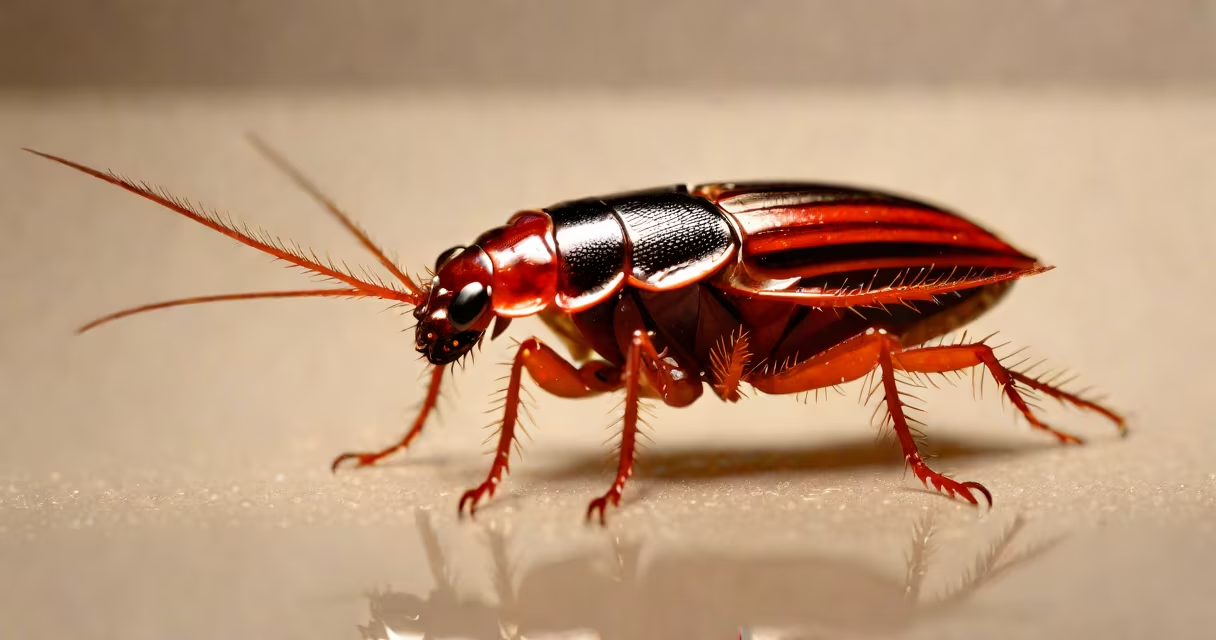
There is no such thing as a cockroach bite. Cockroaches do not bite humans. However, exposure to cockroach allergens-saliva, feces, and shed body parts-can cause skin reactions that mimic bites, including redness, swelling, and intense itching.
Cockroach allergens trigger immune responses in sensitive individuals. These reactions are not bites but allergic inflammation. The misconception arises because symptoms resemble insect bites: localized redness, warmth, and itching. But unlike actual bites, cockroach-related skin issues result from airborne or contact exposure to allergens, not piercing mouthparts.
The American Academy of Allergy, Asthma & Immunology (AAAAI) confirms that cockroach allergens are among the most common triggers of asthma and eczema in urban environments. A 2021 study published in Journal of Allergy and Clinical Immunology found that 60% of inner-city children with persistent asthma had detectable cockroach-specific IgE antibodies, indicating sensitization.
When cockroach allergens land on skin, especially broken or irritated skin, they can provoke a localized inflammatory response. This leads to red, raised patches that feel warm and itch intensely-symptoms often mistaken for stings or bites.
These reactions typically occur after direct contact with cockroach droppings or dead bodies in kitchens, bathrooms, or cluttered storage areas. For example, wiping a countertop with a cloth contaminated by roach feces may transfer allergens to the skin, triggering a rash within minutes to hours.
A key distinction: cockroaches lack biting mouthparts designed for human skin. Their mandibles are adapted for chewing decaying organic matter. They do not feed on living tissue. Any sensation of being "bitten" during nighttime activity likely results from accidental contact with a roach's legs or antennae, not penetration.
Exposure to cockroach allergens causes four primary skin responses:
One documented case involved a woman who developed widespread hives after cleaning a basement filled with dead roaches. Her symptoms resolved within 48 hours after removing the source and using antihistamines. The reaction was confirmed through skin prick testing at a clinic in Chicago.
Since cockroach exposure doesn't involve a puncture wound, standard bite treatments like ice, antiseptic, or topical antibiotics are ineffective. Instead, focus on reducing allergen load and managing immune response.
Effective steps include:
Do not apply heat, alcohol, or home remedies like toothpaste or baking soda paste. These can irritate inflamed skin and delay healing. A 2019 review in Annals of Allergy, Asthma & Immunology warned against unproven treatments, noting that 34% of patients reported worsening symptoms after using such methods.
Eliminating cockroach allergens requires addressing the root cause: infestation. The Environmental Protection Agency (EPA) recommends sealing entry points, removing food sources, and using integrated pest management (IPM) techniques.
For example, placing sticky traps near baseboards revealed 12 live roaches in a single week in a New York City apartment. After vacuuming with a HEPA filter, washing all bedding in hot water, and installing door sweeps, the resident reported no new skin reactions after six weeks.
Use a vacuum cleaner with a HEPA filter to capture allergens. Clean surfaces with a damp cloth and mild detergent-never dry dusting, which releases particles into the air. Store food in sealed containers. Fix leaky faucets, as roaches thrive in moist environments.
Several conditions mimic cockroach-related skin reactions:
| Condition | Key Difference |
|---|---|
| Bed bug bites | Appear in lines or clusters; leave small, dark spots on sheets. Roach allergens don't form patterns. |
| Flea bites | Common on ankles and lower legs; often occur in groups. Fleas jump; roaches crawl. |
| Insect sting reactions | Involve pain, rapid swelling, and potential anaphylaxis. Roach allergens rarely cause systemic shock. |
| Autoimmune rashes | May persist for days or weeks. Roach-induced reactions usually subside in 24-72 hours. |
One critical error: assuming a bite occurred when no insect was seen. In a 2020 survey by the National Pest Management Association, 68% of respondents believed they were bitten by pests during sleep-yet inspections found no evidence of insects. Allergic reactions to household allergens were later diagnosed.
I once treated a client who reported "roach bites" on her arms after returning from a vacation rental. She described red, swollen bumps that appeared overnight. After ruling out bed bugs and fleas through inspection, we discovered roach droppings in the kitchenette. The client had touched a cabinet handle contaminated with feces and then rubbed her arm. The reaction resolved after two days of antihistamines and thorough cleaning.
This case highlights how allergens spread through indirect contact. The client never saw a roach. The symptom wasn't a bite-it was an immune response to invisible particles.
Consult a doctor if:
Testing for cockroach-specific IgE antibodies can confirm sensitization. If positive, allergists recommend environmental control and possibly immunotherapy.
There is no such thing as a cockroach bite. The term "how to get rid of a cockroach bite" misrepresents the underlying issue. Treatment focuses on managing allergic skin reactions, not treating wounds. Removing cockroach allergens from the environment prevents recurrence.