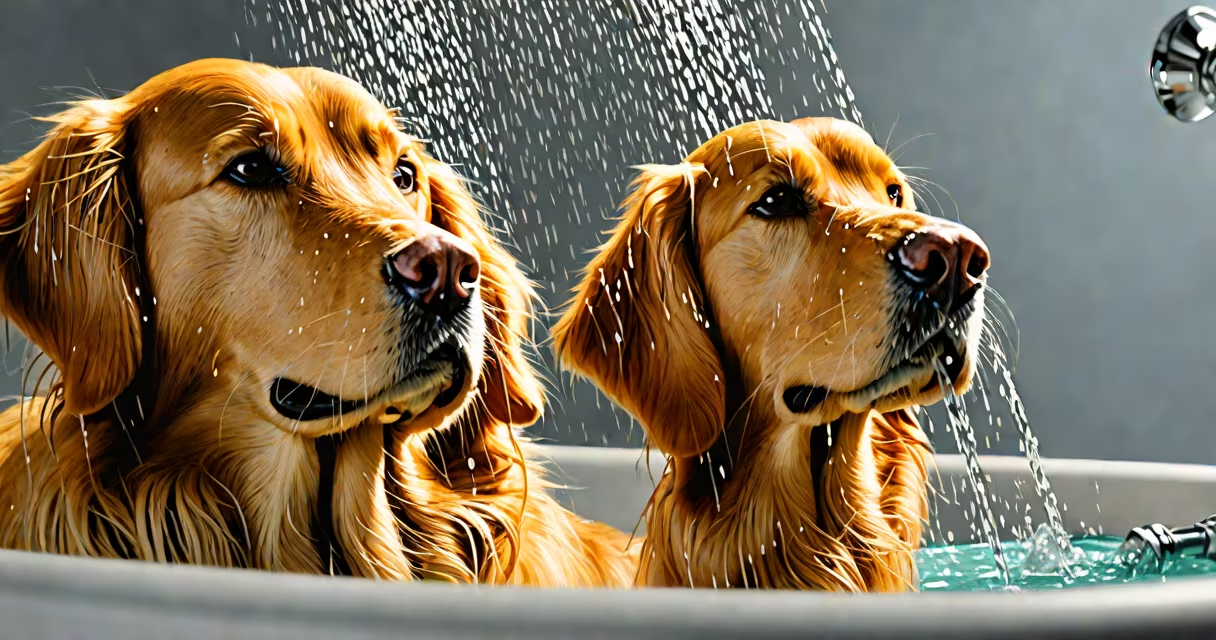
Most dogs benefit from a bath every 4 to 6 weeks, though frequency depends on breed, coat type, activity level, and skin health. Over-bathing dries out the skin and disrupts natural oils. The ideal interval balances cleanliness with skin integrity.
Dogs groom themselves naturally, but domestication reduces their ability to maintain optimal hygiene. Bathing removes dirt, allergens, and excess sebum, but too much washing damages the skin's protective barrier. The American Kennel Club notes that frequent bathing increases risk of dermatitis, especially in breeds with sensitive skin like Bulldogs or Westies.
For most healthy dogs, bathing every 4 to 6 weeks keeps them clean without compromising skin health. Dogs with oily coats, such as Basset Hounds or Beagles, may need baths every 3 to 4 weeks. Working dogs or those exposed to mud, chemicals, or allergens may require more frequent cleaning-but even then, limit baths to once every 2 weeks unless advised by a vet.
Breed determines how often a dog should be washed. Thick-coated breeds like Pomeranians or Shiba Inus retain oils longer and can go 6 to 8 weeks between baths. Short-haired, high-energy dogs like Boxers or Dachshunds may need cleaning every 3 to 4 weeks due to sweat and surface grime.
Activity level matters. A Border Collie that runs through fields daily accumulates more soil and pollen than a sedentary Chihuahua. After outdoor excursions, spot-cleaning with a damp cloth or dry shampoo may suffice. Full baths should only follow thorough inspection of ears, paws, and skin folds.
Medical conditions alter bathing needs. Dogs with atopic dermatitis or seborrhea require medicated shampoos and limited bathing-often once every 2 to 3 weeks-to avoid irritation. The Veterinary Dermatology Society recommends avoiding shampoos with sulfates or fragrances in such cases.
| Breed Type | Recommended Bath Interval | Notes |
|---|---|---|
| Short-haired, active | Every 3-4 weeks | High exposure to dirt; spot-clean between baths |
| Thick-coated (e.g., Maltese) | Every 6-8 weeks | Retains oils; prone to matting if not brushed regularly |
| Sensitive-skin breeds (e.g., French Bulldog) | Every 6-8 weeks | Avoid harsh shampoos; use hypoallergenic formulas |
| Working or outdoor dogs | Every 2-3 weeks | Only if visibly dirty; otherwise, rinse with water only |
Many owners assume that a smelly dog needs a bath every week. But odor often comes from ear infections, dental issues, or anal gland problems-not dirty fur. A dog that smells must be examined by a vet before assuming bathing is the fix.
Using human shampoo is a major error. Human products have a pH of around 5.5, while canine skin averages 6.5-7.5. Using human shampoo causes dryness, flaking, and increased itching. The American Veterinary Medical Association warns that even mild human soaps can trigger allergic reactions in dogs.
Another mistake is bathing during cold weather. Wet dogs lose heat rapidly. A dog left damp after a winter bath risks hypothermia. Always dry thoroughly with a towel and low-heat blow dryer. I once had a Shih Tzu shiver uncontrollably after a bath in December-drying took 45 minutes and required a heating pad.
Regular brushing prevents mats and distributes natural oils. Brushing 2-3 times weekly reduces the need for full baths. For dogs with long hair, daily brushing is essential to prevent tangles and skin pressure sores.
Spot-cleaning with pet-safe wipes or dry shampoo maintains freshness between baths. These products remove surface grime without stripping oils. A 2022 study published in the Journal of Veterinary Dermatology found that dogs using dry shampoo twice weekly showed no increase in skin irritation compared to those bathed monthly.
Check ears, eyes, and paws after walks. Debris in ears can lead to infections. Clean with vet-recommended solutions. Wipe paws with a damp cloth to remove pesticides or road salt. These steps reduce bathing frequency and improve hygiene.
If your dog develops redness, flaking, or excessive scratching after bathing, stop using the current shampoo. Switch to a fragrance-free, pH-balanced product. If symptoms persist beyond 48 hours, consult a vet. Skin conditions like fungal infections or mites can mimic irritation from poor bathing habits.
Recurrent skin issues may indicate an underlying allergy. The American Kennel Club advises testing for food or environmental triggers if bathing doesn't resolve itchiness. A vet may prescribe a medicated shampoo or antihistamine.
Some dogs develop anxiety around baths. If your dog hides, growls, or tries to escape, consider professional grooming or training. Gradual desensitization with treats and calm handling improves cooperation. Never force a bath-this builds fear and makes future care harder.
Understanding how often to bathe a dog requires balancing cleanliness with skin health. Most dogs do well with a bath every 4 to 6 weeks. Adjust based on breed, lifestyle, and medical needs. Over-bathing harms more than it helps.