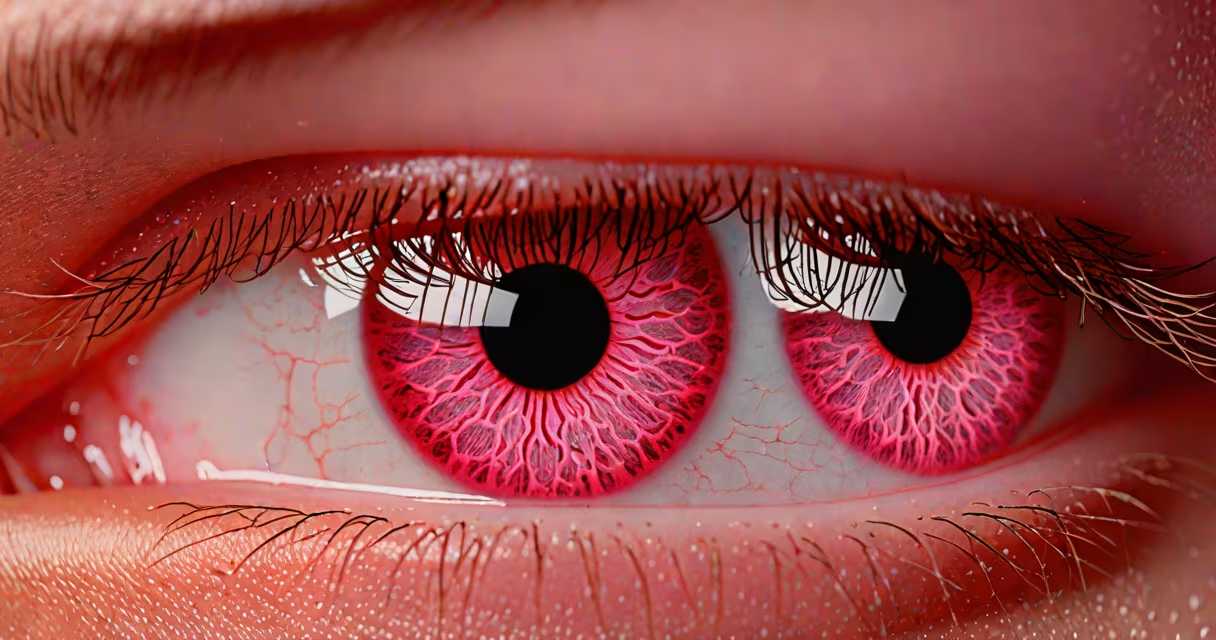
Pink eye, medically known as conjunctivitis, occurs when the thin membrane covering the white part of the eye and lining the eyelids becomes inflamed. It's highly contagious when caused by viruses or bacteria, but not when triggered by allergies or environmental irritants.
Conjunctivitis results from exposure to pathogens, allergens, or irritants that disrupt the delicate balance of the eye's surface. The condition manifests as redness, itching, tearing, and discharge-symptoms that vary depending on the underlying cause. Viral and bacterial forms spread easily through close contact, while allergic and chemical forms do not.
According to the Centers for Disease Control and Prevention (CDC), adenoviruses account for about 80% of infectious conjunctivitis cases in adults and children. These viruses survive on surfaces for days, making hand-to-eye transmission common in schools and households. The American Academy of Ophthalmology notes that bacterial conjunctivitis often stems from *Staphylococcus aureus* or *Streptococcus pneumoniae*, which colonize the skin around the nose and eyes.
Viral pink eye spreads through respiratory droplets or direct contact with contaminated surfaces. Touching a doorknob, shared towel, or someone's eye without washing hands transfers the virus. Symptoms typically appear within 12 to 72 hours after exposure and last 7 to 14 days without treatment.
Bacterial conjunctivitis spreads similarly-through touch-but can progress faster. Discharge may be thick and yellow-green, forming crusts overnight. Unlike viral cases, bacterial pink eye often improves within 24 to 48 hours of antibiotic eye drops, though untreated cases can persist longer.
A 2021 study published in *The Journal of Infectious Diseases* found that 65% of pediatric conjunctivitis cases were viral, with adenovirus detected in 52% of those. The study emphasized that asymptomatic carriers can shed the virus for up to two weeks, increasing community transmission risk.
Not all pink eye is contagious. Allergic conjunctivitis arises from reactions to pollen, dust mites, pet dander, or mold spores. It commonly affects people with seasonal allergies or asthma. Symptoms include intense itching, watery eyes, and swelling-but no fever or pus-filled discharge.
Irritant conjunctivitis occurs when chemicals, smoke, or foreign particles enter the eye. This form causes burning, redness, and blurred vision. Removing the irritant usually resolves symptoms within minutes to hours. A 2019 report from the National Library of Medicine noted that workplace exposure to cleaning agents or industrial fumes contributes to 12% of non-infectious conjunctivitis cases in adults.
One key distinction: allergic pink eye rarely causes crusting or severe pain. Bacterial cases often do. Misdiagnosing allergic pink eye as bacterial leads to unnecessary antibiotic use-a growing public health concern.
Many assume pink eye always means infection. But nearly half of all cases stem from non-infectious triggers. The CDC clarifies that conjunctivitis is not synonymous with "eye infection"-it's a symptom, not a diagnosis.
Another myth: you can't get pink eye from swimming pools. While chlorine reduces viral load, poorly maintained pools harbor adenoviruses resistant to disinfection. A 2020 outbreak at a public pool in Florida linked 14 cases to contaminated water, confirming that recreational water can transmit the virus.
Even sharing makeup or contact lenses increases risk. A 2017 study in *Cornea* showed that 30% of women who reused mascara pens developed bacterial conjunctivitis within six months. The bacteria thrive in the moist environment of old cosmetic containers.
| Type | Transmission | Onset | Discharge | Contagious? |
|---|---|---|---|---|
| Viral | Respiratory droplets, touch | 12-72 hrs | Watery, clear | Yes |
| Bacterial | Touch, shared items | Hours to 1 day | Thick, yellow-green | Yes |
| Allergic | Environmental exposure | Immediate | Clear, stringy | No |
| Irritant | Chemicals, smoke, debris | Seconds to minutes | None or minimal | No |
Washing hands frequently-especially after touching your face-is the most effective way to prevent spreading pink eye. Avoid rubbing your eyes, sharing towels, or using expired cosmetics. Children in daycare settings are especially vulnerable due to frequent hand-to-eye contact.
I once observed a classroom of 25 students where five developed pink eye within a week. The teacher had used a single wipe to clean multiple desks. The wipe was later found to contain adenovirus DNA. This confirmed that indirect contact via contaminated surfaces remains a major vector.
For mild symptoms, artificial tears or cold compresses offer relief. Over-the-counter antihistamines like Benadryl may ease allergic symptoms, but they don't treat infections. This guide provides temporary comfort but won't eliminate the cause.
Understanding how you can get pink eye prevents mismanagement. Whether caused by viruses, bacteria, allergens, or irritants, accurate identification guides effective action. Early recognition reduces spread and shortens recovery time.