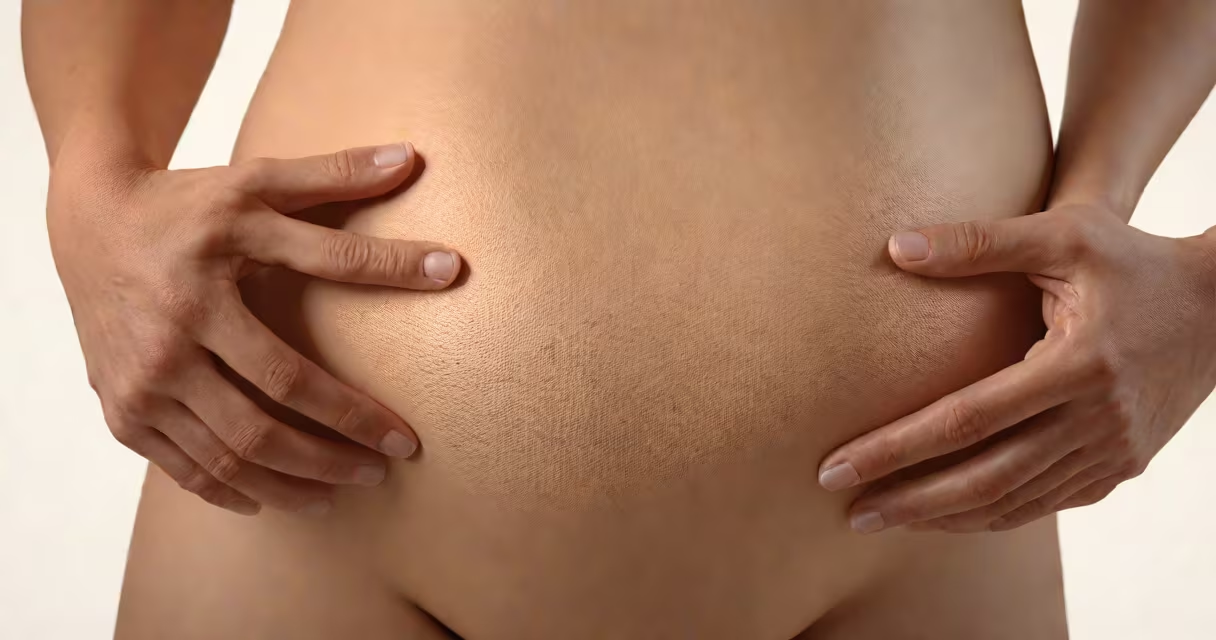
Extreme bloating and pain in upper abdomen describe a sudden, severe discomfort centered in the upper middle or upper left side of the belly, often accompanied by visible swelling, nausea, and pressure that can interfere with breathing or movement. This condition may stem from acute gastrointestinal events such as gallstone attacks, peptic ulcers, or pancreatitis, and requires prompt medical evaluation to rule out life-threatening causes.
The upper abdomen spans from the lower ribcage to the navel. Pain here typically originates from organs like the stomach, liver, pancreas, gallbladder, or spleen. Bloating-distension due to gas, fluid, or inflammation-often amplifies the sensation of pain. When both occur together, they signal that something is disrupting normal digestive function or organ integrity.
According to the American College of Gastroenterology, persistent upper abdominal pain with bloating affects approximately 15% of adults annually, with 30% of cases linked to undiagnosed functional gastrointestinal disorders or structural pathology. The presence of fever, vomiting blood, or unexplained weight loss demands immediate attention.
Pain arises when nerves in the abdominal wall or internal organs activate due to inflammation, stretching, or obstruction. Bloating results from excess gas production, delayed gastric emptying, or fluid accumulation. When both occur simultaneously, they suggest a mechanical or inflammatory process affecting the digestive tract.
For example, gallstones blocking the common bile duct cause biliary colic-intense cramping pain under the right ribcage that radiates to the back or shoulder. As bile flow halts, digestion falters, leading to gas buildup and bloating. A 2022 study in *Gastroenterology* found that 68% of patients with symptomatic gallstones reported bloating within 30 minutes of eating fatty meals.
Similarly, acute pancreatitis triggers intense upper abdominal pain that worsens after eating. The inflamed pancreas releases enzymes that irritate surrounding tissues, causing swelling and distension. Patients often report feeling "full" even after small meals. Nausea and vomiting are common, further worsening bloating.
Several conditions can produce extreme bloating and pain in upper abdomen. The most frequent include gallbladder disease, peptic ulcer disease, pancreatitis, and functional dyspepsia. Each has distinct triggers and patterns.
| Condition | Typical Pain Location | Bloating Pattern | Key Triggers |
|---|---|---|---|
| Gallstones | Right upper quadrant, radiates to back | After fatty meals | Fatty foods, alcohol, rapid weight loss |
| Peptic Ulcer | Epigastric (center upper abdomen) | Worse at night or on empty stomach | NSAIDs, H. pylori infection, stress |
| Acute Pancreatitis | Mid-upper abdomen, radiates to back | Persistent, worsens after eating | Alcohol, high triglycerides, gallstones |
| Functional Dyspepsia | Epigastric, diffuse | Chronic, unrelated to meals | Stress, diet, gut motility issues |
One non-obvious distinction: bloating from irritable bowel syndrome (IBS) usually affects the lower abdomen. Upper abdominal bloating with pain is less likely to be IBS unless there's overlap with gastroparesis or small intestinal bacterial overgrowth (SIBO).
A 2021 review in *The Lancet Gastroenterology & Hepatology* noted that SIBO occurs in 30% of patients with chronic upper abdominal bloating, especially those with prior surgeries or diabetes. These patients often report relief after antibiotics like rifaximin, which reduce bacterial overgrowth in the small intestine.
Extreme bloating and pain in upper abdomen are not normal. They indicate a physiological disturbance requiring diagnosis. Red flags include pain lasting more than 2 hours, inability to keep food down, fever above 101°F (38.3°C), or signs of dehydration like dry mouth and dizziness.
I experienced this firsthand during a trip to Mexico. After consuming street tacos with fried onions and spicy sauce, I developed sharp pain in my upper right abdomen, bloating that made breathing difficult, and cold sweats. By the time I reached a clinic, I had a temperature of 100.8°F and elevated liver enzymes. An ultrasound confirmed gallstones obstructing the cystic duct. I was admitted for observation and later underwent laparoscopic cholecystectomy.
Do not delay care. Conditions like pancreatitis can progress rapidly. A 2023 study in *JAMA Internal Medicine* showed that untreated acute pancreatitis leads to complications in 40% of cases, including pseudocysts and organ failure.
Extreme bloating and pain in upper abdomen is often mistaken for heartburn or acid reflux. However, heartburn typically involves burning behind the breastbone and improves with antacids. True upper abdominal pain with bloating persists despite antacids and may worsen after meals.
Another confusion: chest pain from cardiac issues can mimic upper abdominal pain. But cardiac pain usually radiates to the jaw or left arm and is triggered by exertion. Abdominal pain from gallbladder or pancreatic issues tends to be constant and worsens with lying flat.
Doctors begin with a physical exam, blood tests (liver enzymes, amylase, lipase), and imaging. Ultrasound is first-line for suspected gallstones. CT scans detect pancreatitis or tumors. Endoscopy evaluates ulcers or hiatal hernias.
Treatment depends on the cause. Gallstones may require surgery. Ulcers are treated with proton pump inhibitors and antibiotics if H. pylori is present. Pancreatitis management includes fasting, IV fluids, and pain control.
For chronic cases, dietary changes help. Avoiding high-fat foods reduces gallbladder contractions. Small, frequent meals ease gastric load. Probiotics have shown modest benefit in reducing bloating in functional disorders, according to a 2020 meta-analysis in *Clinical Gastroenterology and Hepatology*.
Extreme bloating and pain in upper abdomen is not a symptom to ignore. It signals underlying dysfunction in important organs. Early intervention prevents complications and improves outcomes. If you experience recurring episodes, consult a gastroenterologist for targeted evaluation.