Electricity itself is a form of energy transmission, not a primary source. Whether it is renewable or nonrenewable depends entirely on the method used to generate it. Fossil fuel-based generation is nonrenewable; wind, solar, and hydroelectric generation are renewable.
Electricity flows through wires and powers devices, but it doesn't exist in nature as a standalone resource. It must be produced by converting other forms of energy-such as sunlight, wind, or coal combustion. The environmental impact and long-term availability of electricity depend on the original energy source.
The U.S. Energy Information Administration (EIA) states that in 2023, about 60% of U.S. electricity came from fossil fuels and nuclear power-sources that deplete finite resources. Meanwhile, renewables accounted for 22% of total U.S. electricity generation, with wind and solar growing rapidly. This breakdown shows that electricity's classification hinges on production, not the final output.
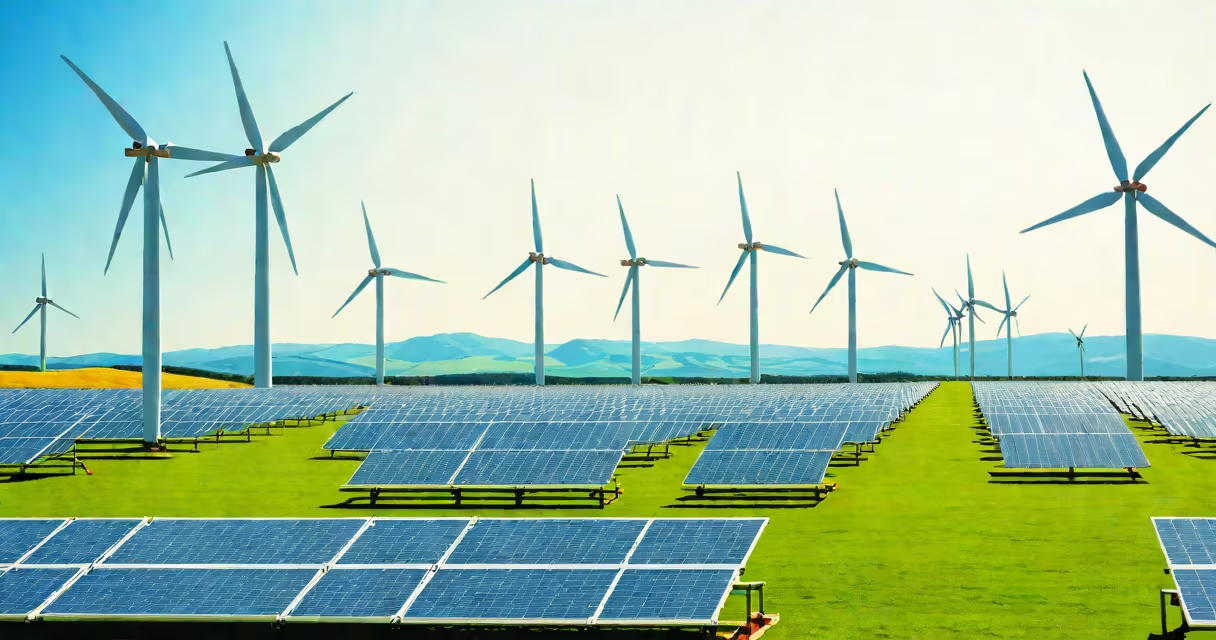
Renewable energy sources replenish naturally within human timescales. Solar panels convert sunlight into electricity using photovoltaic cells. Wind turbines capture kinetic energy from air movement. Hydropower uses flowing water to spin generators. These processes rely on ongoing natural cycles-sunlight, wind patterns, and water cycles-that persist indefinitely.
Nonrenewable sources involve extracting finite materials. Coal-fired plants burn carbon-rich rock formed over millions of years. Natural gas and oil are extracted from underground reservoirs that take geological time to refill. Once burned, these fuels release stored carbon dioxide, contributing to climate change. The extraction and combustion of these fuels are irreversible on human timescales.
For example, a household powered by a rooftop solar range draws electricity from a renewable source. The sun will shine for billions of years. A home using grid electricity from a coal plant relies on a nonrenewable system. That coal was formed over 300 million years ago and cannot be replaced in less than a human lifetime.
Not all renewable sources are equally consistent. Some are intermittent, meaning they don't produce power continuously. Below is a comparison of common electricity sources:
| Source | Renewable? | Consistency | Global Share (2023) |
|---|---|---|---|
| Solar PV | Yes | Intermittent (daytime only) | 4% |
| Onshore Wind | Yes | Intermittent (weather-dependent) | 7% |
| Hydroelectric | Yes | Reliable (seasonal variation) | 15% |
| Coal | No | Highly consistent | 19% |
| Natural Gas | No | Highly consistent | 20% |
| Nuclear | Debatable | Highly consistent | 9% |
Hydroelectric power is renewable but can be affected by droughts. Nuclear energy is not renewable due to uranium mining, though it produces low emissions during operation. The International Energy Agency (IEA) classifies nuclear as low-carbon but nonrenewable because uranium is finite.
A key misunderstanding is assuming that all electricity from the grid is renewable. In reality, most grids mix sources. In Texas, for example, wind supplies over 25% of electricity, but coal still accounts for nearly 30%. Consumers must choose green power plans or install personal solar systems to ensure renewable electricity.
Many people assume that electricity itself is renewable because it produces no emissions at the point of use. This is incorrect. The environmental footprint of electricity lies in its generation. A Tesla Model S charged from a coal-powered grid emits more CO₂ per mile than a gasoline car in high-emission regions.
Even tidal energy, which seems reliably renewable, faces challenges. Tidal power uses ocean currents driven by lunar gravity. While the moon's pull is constant, constructing tidal barrages disrupts marine ecosystems. The UK's Severn Barrage project was canceled in 2010 due to ecological concerns. Still, tidal energy remains classified as renewable by the IEA because the source is naturally replenished.
In 2023, California generated 64% of its electricity from renewable sources-primarily solar and wind. The state's aggressive Renewable Portfolio Standard mandates 60% renewable electricity by 2030. However, during winter months, solar output drops. Grid operators then rely on natural gas and imported hydropower to maintain supply.
This illustrates that even in a leading renewable state, electricity reliability depends on backup systems. When solar production falls below demand, nonrenewable sources fill the gap. The solution isn't abandoning fossil fuels overnight but integrating storage and smart grids to balance supply and demand.
I once monitored a residential solar installation in San Diego. During a summer heatwave, the system produced 1.2 megawatt-hours over three days-enough to power the home and charge an electric vehicle. But on a cloudy winter day, the same system generated only 20% of its peak output. Battery storage bridged the gap, but the grid still supplied the difference. The electricity used wasn't renewable on that day, despite the solar panels.