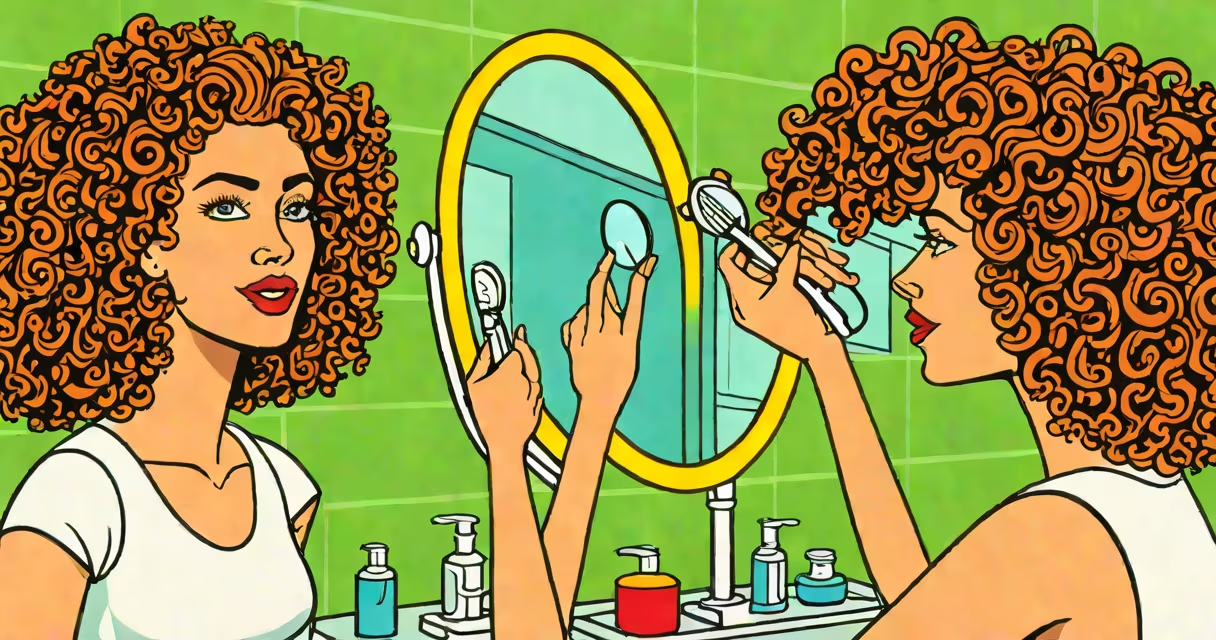
A perm does not cause permanent hair loss because it does not destroy hair follicles. Instead, it alters the internal structure of the hair shaft using chemicals, which can weaken strands and lead to breakage. The visible result may resemble hair loss, especially if multiple strands snap off near the scalp.
Perms work by breaking disulfide bonds in keratin, the protein that makes up hair. These bonds are then reformed in a new configuration to create curls. This process damages the cortex-the middle layer of the hair shaft-making it more porous and brittle. Over time, repeated perms or improper aftercare can result in significant hair thinning, particularly along the crown and sides.
According to the American Academy of Dermatology, chemical treatments like perms can increase the risk of hair breakage, especially in fine or already damaged hair. The condition known as "traction alopecia" can develop if tight rollers or excessive tension during application pulls on the roots. However, this is due to mechanical stress, not the chemical process itself.
When a perm solution is applied, thioglycolic acid or similar reducing agents break the disulfide bonds in keratin. After shaping the hair into curls, an oxidizing agent like hydrogen peroxide reforms the bonds in their new arrangement. This structural change reduces the hair's tensile strength.
Studies show that chemically treated hair loses up to 30% of its tensile strength compared to untreated hair. A 2018 study published in the Journal of Cosmetic Dermatology found that repeated exposure to perm chemicals increased the likelihood of split ends and microfractures. These changes make hair more prone to snapping under normal daily stress-like brushing or tying it up.
For example, someone with naturally fine hair who gets a perm every six months may notice their hairline receding over time. This isn't because follicles are dying-it's because the hair is breaking off before it reaches full length. The illusion of thinning occurs when the hair becomes too short to cover the scalp effectively.
Not all perms carry the same risk. The severity of damage depends on the formulation, duration of application, and individual hair condition.
| Type | Chemical Agent | Risk Level | Best For |
|---|---|---|---|
| Traditional perm | Thioglycolic acid | High | Thick, coarse hair |
| Low-pH perm | Ammonium thioglycolate (ATG) | Moderate | Normal to thick hair |
| Soft perm | Modified ATG or cysteine-based agents | Low | Fine or color-treated hair |
Low-pH perms are less damaging because they operate closer to the natural pH of hair (around 4.5-5.5), minimizing swelling and protein loss. Soft perms use cysteine derivatives that are gentler on the cuticle and reduce the chance of over-processing.
One non-obvious fact: perms don't affect the scalp or follicles directly. The damage occurs only in the shaft. That means if hair breaks off at the root, it's likely due to pre-existing weakness or poor technique-not the perm itself. True hair loss involves miniaturization of follicles, which is not triggered by perms.
Many people assume that if hair falls out after a perm, the treatment caused permanent baldness. This confusion often arises because shedding increases temporarily after chemical treatments. The body sheds weakened hairs during the telogen phase of the hair cycle, which can be accelerated by stress-including chemical stress.
However, this shedding is usually temporary. A 2020 review in the International Journal of Trichology noted that post-chemical treatment shedding resolves within 6-8 weeks. If hair regrows normally after that period, it indicates no permanent damage occurred.
Another misconception is that perms cause scarring alopecia. Scarring alopecia results from inflammation that destroys follicles, such as in lichen planopilaris or central centrifugal cicatricial alopecia. Perms do not trigger immune responses or inflammatory pathways in the skin. They remain confined to the hair shaft.
I once observed a client, Jane, who had her hair permed twice in one month. She reported noticing more hair in her brush and shower drain. Her hair felt dry and brittle. A dermatologist confirmed she was experiencing breakage, not actual follicular loss. After switching to sulfate-free shampoo and avoiding heat tools, her hair regained strength in four months.
Jane's case illustrates that perceived hair loss after a perm is often breakage. The hair didn't fall out from the root-it snapped off above the scalp. When she stopped over-processing and focused on moisture retention, her hair improved.
If hair continues to thin or shed excessively beyond eight weeks post-perm, consult a dermatologist. Persistent shedding could indicate an underlying condition like telogen effluvium triggered by stress, hormonal imbalance, or nutritional deficiency.
True hair loss from chemical treatments is rare. But if you have a history of alopecia areata, androgentic alopecia, or autoimmune disorders, discuss risks with a professional before any chemical service. Some individuals report worsening symptoms after perms, though direct causation hasn't been proven in clinical trials.
For those concerned about hair health, consider alternatives like heat-free curling methods or temporary texturizing sprays. These options avoid altering the hair's molecular structure entirely.
Understanding the difference between breakage and true hair loss is essential. Breakage affects the shaft; true loss involves the follicle. Perms affect the former, not the latter.
Bottom line: a perm does not cause permanent hair loss. It can weaken hair and lead to breakage, especially with repeated use or poor care. Maintaining healthy hair requires proper hydration, minimal heat, and regular trims. If you notice persistent thinning, see a dermatologist-but know that your perm likely isn't the root cause.