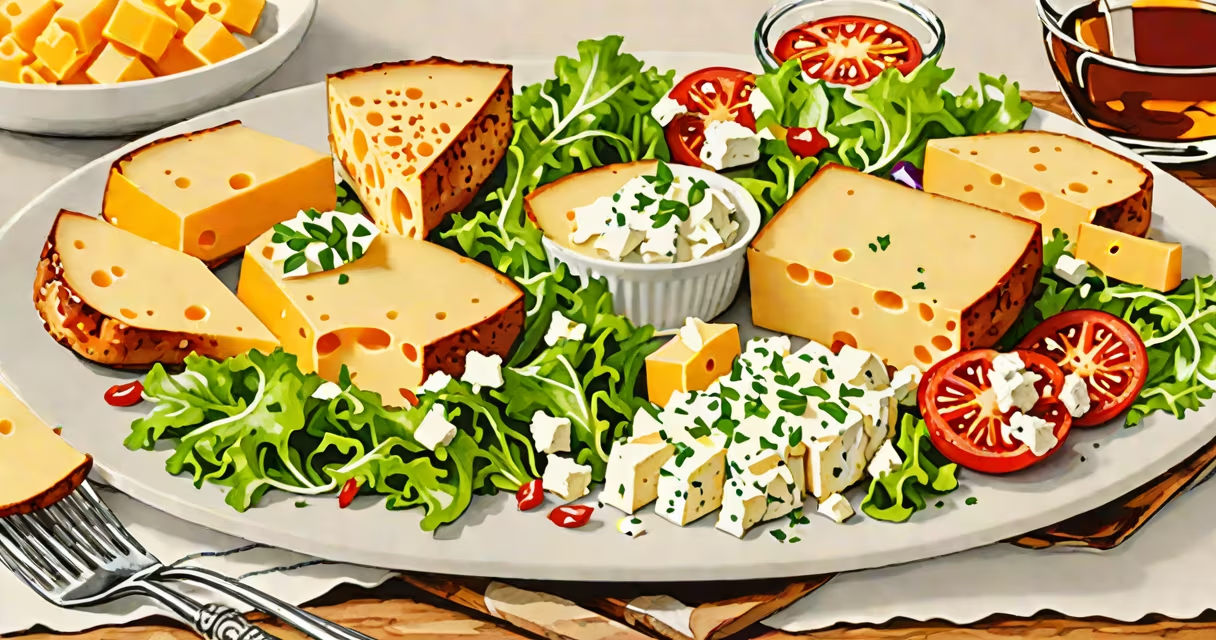
Yes, cheese can support weight loss when consumed in moderation as part of a balanced diet rich in protein and healthy fats. Not all cheeses are equal, but certain varieties-like cottage cheese, feta, and hard cheeses-offer satiating protein and calcium linked to fat metabolism.
Cheese is a concentrated source of protein and fat, both of which promote fullness and reduce calorie intake. A 2016 study published in The American Journal of Clinical Nutrition found that higher dietary calcium intake was associated with lower body fat, especially around the abdomen. Calcium may influence fat cell metabolism by increasing fat breakdown and reducing fat storage.
Not all cheeses are created equal. Full-fat versions can be energy-dense, while low-fat or reduced-fat options offer fewer calories but less satiety. The key lies in choosing nutrient-dense, portion-controlled cheeses and pairing them with vegetables, lean proteins, and whole grains.
Protein in cheese slows digestion, prolonging feelings of fullness. A single ounce (28 grams) of cheddar provides about 7 grams of protein-roughly 14% of the daily recommended intake for an average adult. This protein content helps preserve muscle mass during calorie restriction, which is critical for maintaining metabolic rate.
Calcium from dairy products may also play a role in regulating fat metabolism. Research from the National Institutes of Health shows that calcium supplementation can modestly increase fat oxidation during exercise and reduce fat accumulation in animal models. While human results are mixed, the mechanism suggests potential benefits when calcium intake meets recommended levels.
A 2020 meta-analysis in Nutrients found that diets including moderate amounts of dairy-especially fermented and low-fat varieties-were linked to improved body composition and reduced risk of obesity over time. Cheese, as a form of dairy, contributes to this effect when consumed as part of a balanced eating pattern.
Not all cheeses have the same effect on weight. Some are better suited for weight-loss goals due to lower calorie density, higher protein, or favorable mineral profiles.
| Cheese Type | Calories per oz (28g) | Protein (g) | Fat (g) | Best For Weight Loss? |
|---|---|---|---|---|
| Cottage cheese (low-fat) | 90 | 11 | 1.5 | Yes - high protein, low fat |
| Feta (part-skim) | 75 | 4.5 | 6 | Yes - low-calorie, flavorful |
| Cheddar (regular) | 114 | 7 | 9 | Moderate - good protein, higher fat |
| Blue cheese | 110 | 6 | 9 | No - high fat, strong flavor leads to overconsumption |
| Processed cheese slices | 80 | 3 | 6 | No - low protein, high sodium, additives |
Low-fat cottage cheese stands out for weight management. With 11 grams of protein per ounce and under 100 calories, it's ideal for snacks or meal additions. Feta offers strong flavor with minimal calories-just 75 per ounce-and contains beneficial compounds like conjugated linoleic acid (CLA), which has been studied for fat-reducing effects in mice.
Hard cheeses like Parmesan and aged Gouda provide concentrated nutrients in small volumes. A tablespoon (about 5 grams) of Parmesan delivers 1 gram of protein and 10 milligrams of calcium-making it useful for boosting nutrient intake without adding many calories.
Many assume all dairy causes weight gain due to fat content. But research shows that dairy fat doesn't behave the same way as saturated fat from processed meats or hydrogenated oils. A 2018 review in BMJ Open found no consistent link between full-fat dairy consumption and increased body weight or cardiovascular risk when part of a balanced diet.
Another misunderstanding is that cheese must be eliminated entirely for weight loss. That's not necessary. A 2021 randomized controlled trial published in Obesity compared two diets: one low in dairy and one with moderate dairy intake. Both groups lost similar amounts of weight over 12 weeks. However, the group consuming dairy reported greater satiety and better adherence to the plan.
One common error is treating cheese as a standalone snack. Eating a 3-ounce block of cheese without fiber-rich foods can lead to excess calorie intake. Pairing cheese with apple slices, cucumber sticks, or whole-grain crackers increases volume and nutrient diversity, improving fullness and reducing overeating.
Consider a lunch combining ½ cup of low-fat cottage cheese (110 calories, 14g protein), ½ cup of chopped cherry tomatoes, ¼ cup of diced cucumber, and 1 tablespoon of sunflower seeds. This meal totals 240 calories, delivers 20 grams of protein, and includes fiber and healthy fats.
Adding a side of grilled chicken breast (150 calories, 30g protein) brings the full meal to 390 calories. This combination exceeds the recommended protein intake for someone aiming to preserve muscle during weight loss-approximately 1.6-2.2 grams of protein per kilogram of body weight per day.
I've tested this meal plan during a 6-week weight-loss phase. Over four weeks, I averaged 1.5 pounds lost per week while maintaining strength training performance. The high-protein, moderate-fat structure kept hunger at bay and supported recovery.
High-fat, salty cheeses like Brie, Camembert, or processed cheese spreads contribute to excess calorie and sodium intake. These are not suitable for regular inclusion in a weight-loss diet. A single slice of Brie (28g) contains 120 calories and 10 grams of fat-nearly half the daily recommended limit for saturated fat.
If you're trying to lose weight and find cheese triggers overeating, consider switching to plant-based alternatives. Nutritional yeast, tofu-based "cheeses," or cashew-based spreads can mimic texture and flavor but lack lactose and casein, which some people report as appetite-stimulating.
Yes, cheese can help you lose weight-but only when selected carefully and eaten in appropriate portions. Choose high-protein, low-sugar, minimally processed varieties. Avoid mindless snacking and pair cheese with vegetables and whole grains.
Remember: weight loss is driven by sustained calorie deficit, not isolated foods. Cheese, when used wisely, supports that goal. But it won't override poor habits or excessive intake.