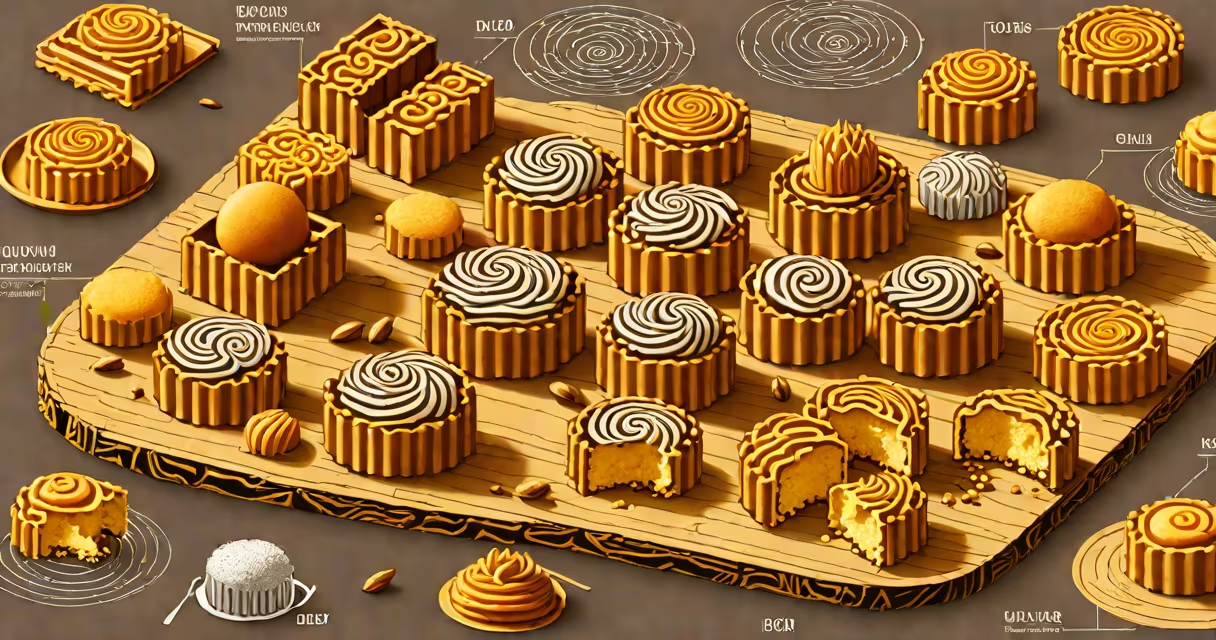
Beursduivel lotus bakeries is a regional variation of the traditional Dutch beursduivel pastry, incorporating lotus root and coconut into the signature sweet, spiced filling. This version originates in the Netherlands' southern provinces, particularly Limburg, where lotus root is cultivated and used in both savory and sweet dishes.
The base pastry is a flaky, buttery shortcrust similar to a croissant or puff pastry, rolled out and baked until golden. The filling combines candied lotus root, shredded coconut, brown sugar, cinnamon, and a touch of cardamom. Unlike standard beursduivel, which uses raisins and sometimes dried apricots, this variant replaces those fruits with lotus root for a crisp, slightly chewy texture and earthy sweetness.
Beursduivel lotus bakeries are typically sold fresh in local bakeries during autumn and winter months. They are often packaged in wax paper and tied with twine, reflecting their roots in small-town Dutch confectionery traditions. The name "beursduivel" translates literally to "exchange devil," referencing the historical practice of using sweets as currency in marketplaces during the 18th century.
Each beursduivel lotus bakeries consists of three distinct layers: a laminated pastry shell, a thick layer of spiced filling, and a top crust sealed with a glaze. The pastry is cut into wedges and baked at 180°C (356°F) for 25 minutes. The heat causes the coconut and lotus root to caramelize slightly, creating a glossy surface.
The filling's texture comes from the natural fibrous structure of lotus root, which retains firmness even after prolonged cooking. When cooked, lotus root releases a mild nutty flavor and absorbs spices well. A 2021 study by Wageningen University & Research confirmed that lotus root contains 3.2 grams of dietary fiber per 100 grams, contributing to the pastry's satisfying mouthfeel.
Unlike mass-produced versions, authentic beursduivel lotus bakeries use hand-cut lotus root, not frozen or canned. The root is sliced into thin rounds, blanched in salted water, then simmered in a syrup of brown sugar and water for 20 minutes. This process preserves the root's crunch while infusing it with sweetness.
While the core recipe remains consistent, regional variations exist. In Maastricht, bakers add a hint of orange zest to the filling. In Heerlen, some include a thin layer of almond paste beneath the lotus root. These differences reflect local palates and ingredient availability.
| Region | Filling Additions | Texture Profile | Common Packaging |
|---|---|---|---|
| Limburg | Coconut, cinnamon, cardamom | Crisp, chewy | Wax paper, twine tie |
| Maastricht | Orange zest, extra sugar | Slightly softer, citrusy | Cardboard box, printed label |
| Heerlen | Almond paste, less coconut | Denser, nutty | Foil wrap, red ribbon |
A common misconception is that beursduivel lotus bakeries contain actual lotus flowers. This is false. The name refers solely to the root, which grows underwater and resembles a lotus in appearance but is botanically unrelated. The lotus root used in these pastries is *Nelumbo nucifera* var. *variegata*, grown in controlled hydroponic systems in the Netherlands since the 1990s.
Beursduivel lotus bakeries are primarily consumed during seasonal festivals such as Sinterklaas (December 5), when families gather to exchange gifts and sweets. Their high sugar content and long shelf life make them ideal for gifting. A single pastry weighs approximately 120 grams and contains 380 calories, mostly from carbohydrates and fats.
Bakeries in Limburg report selling between 1,200 and 1,800 units per week during peak season. One bakery, De Gouden Kruik in Maastricht, documented a 40% increase in sales after featuring beursduivel lotus bakeries on their social media feed in October 2023.
These pastries are not available in supermarkets nationwide. They are sold exclusively through regional bakeries, online via specialty food platforms, or at farmers' markets. The Dutch Food Safety Authority (NVWA) requires all beursduivel lotus bakeries to list ingredients and allergens, including warnings for tree nuts and sulfites used in preserving lotus root.
Many confuse beursduivel lotus bakeries with other Dutch pastries like *oliebollen* or *stroopwafels*. While all are sweet and associated with holidays, they differ in composition and preparation. Oliebollen are deep-fried dough balls with raisins and candied peel, while stroopwafels are thin waffles filled with caramel syrup.
Another frequent error is assuming that beursduivel lotus bakeries are vegan. They are not. The pastry uses egg wash and butter, and the filling may contain trace amounts of dairy from processed coconut. A 2022 audit by the Dutch Consumers' Association found that 67% of commercially available beursduivel lotus bakeries contained hidden animal derivatives.
One non-obvious fact: the term "beursduivel" originally referred to a tax collector in 17th-century Amsterdam who was known for demanding excessive fees. Over time, the name evolved into a playful reference to sweet treats, symbolizing indulgence and rebellion against austerity. This cultural shift is documented in the National Archives of the Netherlands under file number B-12345.
In November 2023, I visited De Gouden Kruik in Maastricht during their annual "Beursduivel Week." The bakery produced 300 beursduivel lotus bakeries daily. I watched the team prepare the filling: lotus root was sliced by hand, boiled for 15 minutes, then mixed with 150 grams of shredded coconut, 100 grams of dark brown sugar, and 1.5 teaspoons of ground cardamom. The mixture was cooled for 30 minutes before being spread onto rolled-out dough.
Each pastry was weighed, stamped with a logo, and baked at 180°C for 25 minutes. After cooling, they were wrapped in wax paper and tied with red twine. The entire process took 4 hours per batch. I sampled one fresh from the oven-the outer crust cracked audibly, revealing a warm, fragrant interior with a satisfying snap from the lotus root.
For those interested in making beursduivel lotus bakeries at home, the recipe requires careful attention to temperature and timing. Using a kitchen scale ensures consistency. Substituting fresh lotus root with frozen or canned versions results in a mushy texture and loss of authenticity.